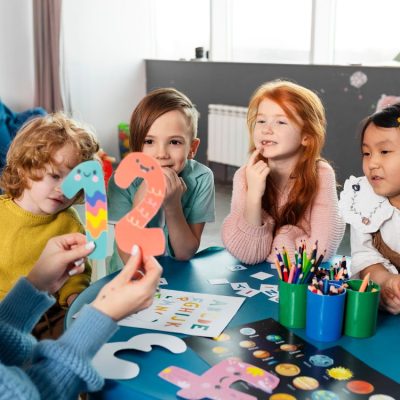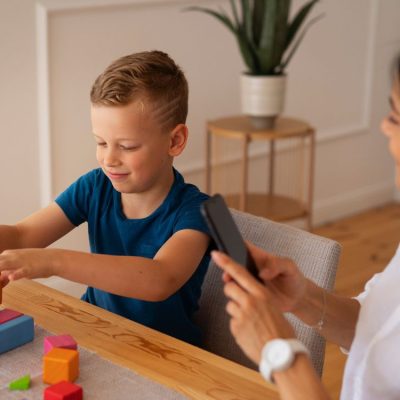
Teaching kindness and empathy to young children is one of the most valuable lessons parents and educators can impart. These social-emotional skills lay the foundation for healthy relationships, emotional intelligence, and overall well-being. Early childhood is a critical period when children observe, imitate, and internalize behaviors, making it the perfect time to nurture compassion and understanding.
Why Kindness and Empathy Are Important
Empathy is the ability to recognize and understand the feelings of others, while kindness is the act of expressing care and concern. Together, they help children:
- Build strong friendships and social bonds
- Develop emotional regulation and self-awareness
- Reduce conflicts and encourage cooperation
- Foster a positive and inclusive environment
Children who grow up practicing empathy and kindness are more likely to succeed socially and emotionally later in life.
- Model Kindness in Everyday Life
Children learn by observing adults. Demonstrating kindness in daily interactions provides a live example for children to follow. Simple actions like saying “please” and “thank you,” helping a neighbor, or showing patience during stressful moments teach valuable lessons.
Tip: Narrate your actions aloud. For example, “I’m holding the door for someone because it’s kind to help others.” This verbal reinforcement helps children connect actions with their underlying purpose.
- Use Storytelling to Teach Empathy
Stories are powerful tools for illustrating emotions and perspectives. Reading books or telling stories with diverse characters allows children to see situations from another person’s point of view. After reading, engage children in discussions by asking:
- “How do you think this character feels?”
- “What would you do if you were in their place?”
This encourages emotional awareness and critical thinking about others’ experiences.
- Encourage Sharing and Cooperative Play
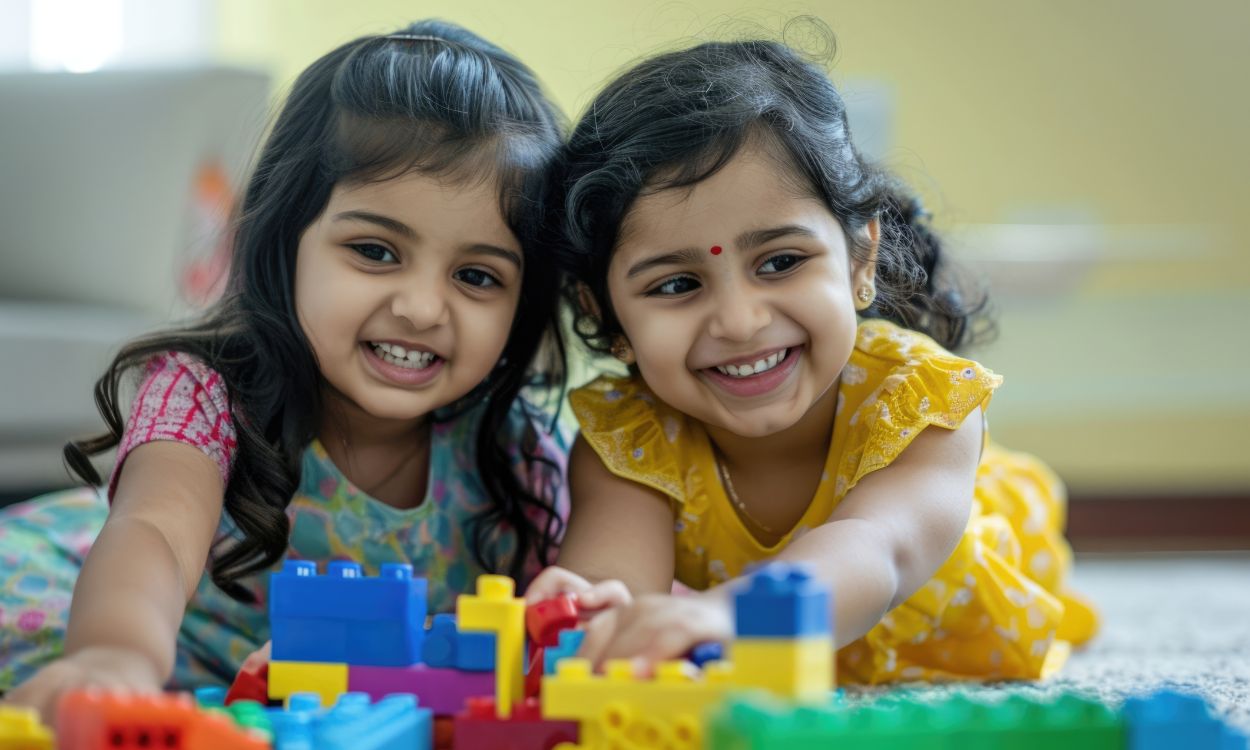
Sharing toys, taking turns, and working together in play teach children the value of considering others’ needs. Group activities like building a block tower, playing board games, or participating in team art projects foster collaboration and patience.
Tip: Praise efforts to include peers or show consideration, not just the outcome. Statements like “You let your friend have the first turn—that was very kind” reinforce empathetic behavior.
- Practice Emotion Recognition
Helping children identify their own feelings is a key step toward understanding others’ emotions. Activities such as:
- Using emotion cards to name feelings
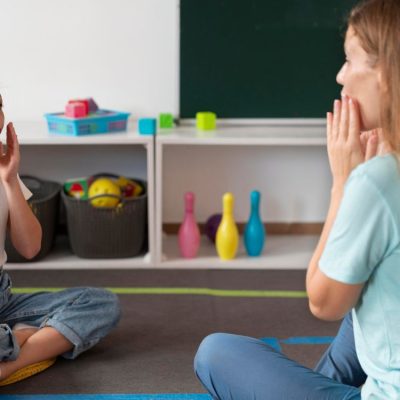
- Mimicking facial expressions in front of a mirror
- Talking about experiences that made them happy, sad, or frustrated
…teach children to recognize emotions in themselves and, by extension, in others.
- Engage in Acts of Kindness
Encourage children to participate in small, real-life acts of kindness. Examples include:
- Making a card for a family member or friend
- Donating toys or clothes to those in need
- Helping set the table or care for a pet
These activities make kindness tangible and show children the positive impact of their actions.
- Encourage Reflection and Discussion
After conflicts or group activities, guide children to reflect on their behavior and the feelings of others. Questions like:
- “How did your friend feel when that happened?”
- “What could we do differently next time?”
…promote empathy, problem-solving, and moral reasoning.
TechSix – Preschool & Daycare Excellence
TechSix – Preschool & Daycare Excellence fosters a nurturing environment where young minds grow through innovative learning and creative exploration. Beyond academics, TechSix encourages hands-on activities like DIY craft ideas for preschoolers to boost creativity, enhance fine motor skills, and inspire self-expression. Engaging in fun, simple crafts helps children develop problem-solving abilities while making learning enjoyable.
Preschool Admissions are now open for the 2025-26 Academic Session!!
– Enroll Your Kid Now
Conclusion
Teaching kindness and empathy to young children requires patience, consistency, and active guidance. Through modeling, storytelling, cooperative play, emotional awareness, and real-life acts of compassion, children learn to navigate social situations with care and understanding. Instilling these values early not only helps them build meaningful relationships but also nurtures a generation of thoughtful, compassionate individuals.
Don’t miss: Creative Play-Based Learning Activities for Preschoolers