Choosing the right play school in Gurgaon is one of the most important decisions parents make during their child’s early years. While infrastructure, curriculum, and safety measures often receive attention, one critical factor is sometimes overlooked the teacher-to-child ratio. This single element plays a powerful role in shaping how children learn, interact, and feel in their first educational environment.
In a city like Gurgaon, where parents have many options, understanding why teacher-to-child ratio matters can help you make an informed and confident decision for your child’s future.
Understanding Teacher-to-Child Ratio
The teacher-to-child ratio refers to the number of children assigned to one teacher or caregiver in a classroom. For example, a ratio of 1:8 means one teacher is responsible for eight children.
This ratio is especially important in play schools because young children need constant supervision, emotional support, and guidance. Unlike older students, they cannot independently manage learning activities or express all their needs clearly. The right ratio ensures that each child receives adequate attention throughout the day.
Why Teacher-to-Child Ratio Is Crucial in Early Education
Individual Attention for Every Child
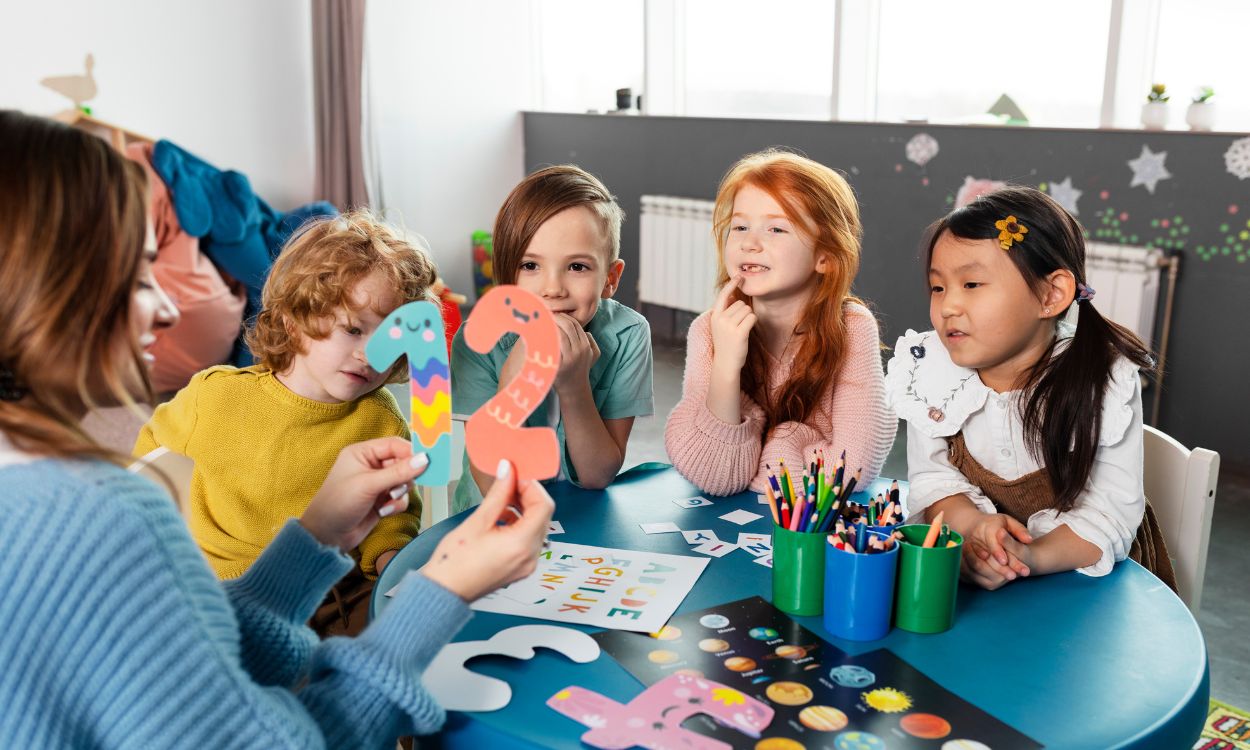
Every child develops at a different pace. Some children grasp concepts quickly, while others need more time and encouragement. A low teacher-to-child ratio allows educators to observe each child closely and support their unique learning needs.
In a crowded classroom, teachers may struggle to notice subtle signs such as hesitation, confusion, or emotional discomfort. Smaller group sizes help teachers adjust activities and teaching styles so that no child feels ignored or left behind.
Stronger Emotional Security
This transition can be emotionally challenging. When teachers manage fewer children, they are better able to build trust, offer comfort, and respond sensitively to emotions like fear, anxiety, or homesickness.
Children who feel emotionally secure are more confident, more willing to explore, and more open to learning. This emotional foundation is essential for long-term academic and social success.
Better Safety and Supervision
Young children are active, curious, and often unaware of potential dangers. From classroom activities to outdoor play, proper supervision is necessary at all times. A balanced teacher-to-child ratio ensures that teachers can closely monitor children and respond immediately if something goes wrong.
In busy classrooms with high ratios, supervision becomes difficult, increasing the chances of accidents or unnoticed conflicts. For parents in Gurgaon seeking a safe play school environment, this factor should never be compromised.
Improved Learning Experiences
Play-based learning requires active participation, interaction, and guidance. When teachers are responsible for fewer children, they can engage more effectively during storytelling, art activities, music sessions, and group games.
Teachers can ask questions, encourage creativity, and support hands-on learning without rushing. This leads to richer educational experiences that help children develop cognitive, language, and problem-solving skills naturally.
Effective Behaviour Guidance
Early childhood is the stage where children learn basic social rules such as sharing, waiting for turns, and expressing emotions appropriately. Managing behaviour requires patience and consistent guidance.
With a manageable number of children, teachers can address behavioural challenges calmly and positively. They can guide children through conflicts, explain consequences, and reinforce good behaviour. This creates a peaceful classroom environment where children feel understood rather than disciplined harshly.
Teacher-to-Child Ratio and Social Development
Social skills are not learned from books; they are developed through interaction. In smaller groups, children have more meaningful interactions with both teachers and peers.
Teachers can guide children in forming friendships, resolving disagreements, and learning cooperation. Children also feel more comfortable expressing themselves in smaller groups, which builds confidence and communication skills.
Impact on Language and Communication Skills
Language development is one of the most important outcomes of early education. Children need frequent opportunities to speak, listen, and engage in conversation.
When teacher-to-child ratios are low, teachers can encourage children to share ideas, ask questions, and participate in discussions. They can correct pronunciation gently, introduce new vocabulary, and respond thoughtfully to each child. This level of interaction significantly strengthens language skills during the early years.
Supporting Cognitive and Motor Development
Early childhood learning is deeply connected to movement and exploration. Activities such as puzzles, drawing, building blocks, and physical play help develop both cognitive and motor skills.
Teachers with fewer children can observe how each child interacts with activities and provide guidance where needed. They can challenge children appropriately, helping them grow without pressure or frustration.
What Parents Should Look for in Gurgaon Play Schools
When visiting play schools in Gurgaon, parents should ask clear questions about classroom ratios. It is also important to observe how teachers interact with children during daily activities.
Look for signs such as teachers listening attentively, children appearing calm and engaged, and smooth transitions between activities. These are strong indicators that the teacher-to-child ratio is well managed.
Parents should also ask whether the ratio is maintained during outdoor play, special activities, and busy hours of the day.
Long-Term Benefits of the Right Teacher-to-Child Ratio
Children who experience attentive early education often show better confidence, stronger social skills, and smoother transitions into formal schooling. They are more comfortable asking questions, working in groups, and adapting to new environments.
The benefits of the right teacher-to-child ratio extend beyond the play school years. They influence a child’s attitude toward learning, relationships, and self-expression well into the future.
Conclusion
The teacher-to-child ratio is not just a number it is a reflection of the quality of care and education your child will receive every day. In a growing city like Gurgaon, where early education options are abundant, this factor plays a key role in distinguishing truly child-centric play schools.
A well-balanced ratio ensures personalized attention, emotional security, better learning outcomes, and a safe environment. When selecting a play school, parents should prioritize this aspect as much as curriculum and infrastructure.
The right start in life begins with the right support. Choosing a play school with an appropriate teacher-to-child ratio gives your child the strong foundation they deserve for lifelong learning and growth.
Related: Why TechSix Is a Trusted Preschool in Gurgaon for Early Learning