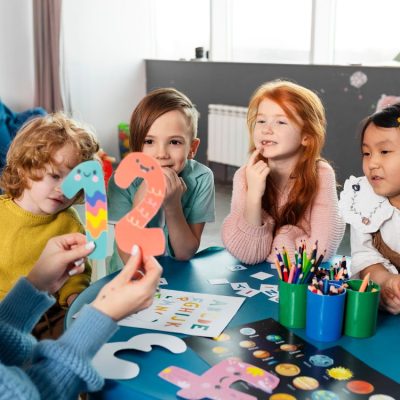

Daycare is no longer just a necessity for working parents it’s a vital part of a child’s early learning experience. Beyond safety and supervision, daycare nurtures emotional growth, social confidence, and interpersonal skills. It helps children learn how to communicate, cooperate, and build lasting friendships. Let’s explore how daycare shapes a child’s social development from the very beginning.
1. Building Social Confidence from an Early Age
For many children, daycare is their first opportunity to interact with peers outside their family circle. This exposure allows them to develop social confidence and independence.
- Children learn to express their needs and feelings.
- They adapt to group environments and learn to share attention.
- Over time, shy children often become more outgoing and expressive.
These early interactions create a foundation for positive communication and teamwork later in school.
2. Encouraging Teamwork and Cooperation
Group activities are an essential part of daycare learning. From art projects to outdoor games, children engage in tasks that require sharing, patience, and problem-solving.
- They learn to take turns and work collaboratively.
- Teachers guide them in resolving small conflicts fairly.
- Children experience the joy of achieving common goals together.
Such experiences build essential social skills that prepare them for structured school life and community participation.
3. Learning Empathy and Emotional Regulation
Daycare is one of the best environments for children to understand emotions—both their own and others’.
- Caregivers teach kids to recognize feelings like happiness, anger, and sadness.
- Children learn empathy by comforting peers or sharing toys.
- Regular emotional guidance helps them respond calmly to challenges.
By learning empathy early, children develop strong emotional intelligence that supports healthy relationships throughout life.
4. Exposure to Diversity and Inclusion
Modern daycare centres bring together children from diverse cultural, linguistic, and social backgrounds.
- Kids learn to appreciate different traditions and perspectives.
- Exposure to diversity encourages respect and tolerance.
- Children grow up with a sense of equality and inclusiveness.
This early awareness helps them become open-minded, compassionate individuals in an increasingly global world.
5. Strengthening Communication Skills
Daycare provides a structured yet playful space where children communicate constantly—with teachers, friends, and groups.
- Activities like storytelling and singing promote language development.
- Daily interaction enhances listening and expression skills.
- Children learn polite speech, body language, and sharing of ideas.
These communication skills are vital for academic success and confident self-expression in future years.
6. Developing Independence and Responsibility
Daycare encourages children to manage small tasks independently.
- They learn routines such as organizing bags, eating on their own, and cleaning up after play.
- These habits foster discipline and responsibility.
- Independence gained early builds self-esteem and confidence.
When children learn to take charge of small responsibilities, they grow into socially aware and self-reliant individuals.
7. The Role of Caregivers in Social Growth
Teachers and caregivers at daycare play a crucial role in shaping a child’s social and emotional development.
- They model positive behaviour, kindness, and respect.
- Through guided play and gentle correction, they help children learn social boundaries.
- Caregivers ensure that every child feels included and valued.
A nurturing caregiver-child relationship forms the emotional security children need to explore and grow socially.
Conclusion
Daycare is much more than a place for supervision—it’s a nurturing environment where social, emotional, and communication skills take root. It teaches cooperation, empathy, independence, and confidence that last a lifetime.
Choosing the right daycare means investing in a child’s holistic development—helping them not only prepare for school but also for meaningful interactions and relationships throughout life.
Don’t miss: Storytelling Tips: How to Make Reading More Engaging for Preschoolers