

Choosing a daycare facility is one of the most important decisions for parents. Beyond educational programs and activities, child safety is the highest priority. A safe daycare ensures peace of mind for parents and provides an environment where children can learn, play, and grow securely. Understanding the key safety measures to look for can help parents select a reliable and responsible daycare. 1. Secure Entrance and Exit A quality daycare maintains tight security at entrances and exits. Access should be controlled with keycards, security codes, or staff supervision. Visitors should be logged, and unauthorized entry prevented. Gates, doors, and fences should be childproof to prevent accidental wandering. Proper security measures protect children from potential dangers and create a controlled environment. 2. Trained and Qualified Staff Well-trained staff are essential for maintaining safety. Teachers and caregivers should have first aid and CPR certification. Staff-to-child ratios should comply with recommended standards to ensure adequate supervision. Caregivers must be trained in handling emergencies, conflicts, and behavioral challenges. Qualified staff ensure children receive attentive care while reducing the risk of accidents or mishaps. 3. Childproofed Indoor and Outdoor Spaces Daycare facilities must eliminate hazards to prevent injuries. Indoor safety: Covered electrical outlets, rounded furniture edges, and non-slip floors. Outdoor safety: Soft flooring in playgrounds, safe climbing structures, and secure fencing. Regular maintenance checks should be conducted to fix broken equipment or unsafe areas. A childproof environment ensures children can explore safely and confidently. 4. Health and Hygiene Practices Maintaining high hygiene standards protects children from illness. Frequent handwashing, sanitized toys, and clean play areas are essential. Policies for sick children should be clearly defined to prevent the spread of infections. Meals and snacks should be prepared under strict hygiene standards. Healthy practices safeguard children’s well-being and reduce absenteeism due to sickness. 5. Emergency Preparedness and Protocols Daycare centers should have clear emergency procedures for accidents or natural disasters. Staff should conduct regular fire drills and evacuation practices. First aid kits and emergency supplies must be accessible at all times. Parents should be informed about emergency policies and procedures. Preparedness ensures quick and effective responses in critical situations. 6. Safe Play and Activity Supervision Children engage in play throughout the day, so supervision is crucial. Outdoor and indoor activities should be closely monitored. Toys and materials must be age-appropriate and free of choking hazards. Structured play and group activities help prevent accidents while encouraging social development. Supervised play balances fun and safety, letting children explore without unnecessary risks. 7. Transparent Policies and Communication Clear policies reflect a daycare’s commitment to safety. Parents should receive guidelines on drop-off/pick-up, sick child protocols, and behavior management. Open communication with caregivers ensures any concerns are addressed promptly. Regular updates about activities, incidents, or health issues keep parents informed and reassured. Transparency builds trust and strengthens the parent-caregiver partnership. Conclusion Selecting a daycare facility requires careful attention to safety. From secure entrances and trained staff to childproofing, hygiene, and emergency protocols, each safety measure plays a crucial role in protecting children. A safe daycare not only prevents accidents but also fosters a nurturing environment where children can learn, play, and grow with confidence. Parents who prioritize these safety measures can ensure their child thrives in a secure, happy, and well-supervised setting. Don’t miss: Storytelling Tips: How to Make Reading More Engaging for Preschoolers

Understanding the Daily Routine in a Quality Daycare Program
A well-structured daily routine is a hallmark of a quality daycare program. Children thrive on consistency, predictability, and engaging activities that balance learning, play, and rest. Understanding what a typical day looks like can help parents choose a daycare that supports their child’s overall development socially, emotionally, and cognitively. 1. Morning Arrival and Welcome Time The day usually begins with a warm welcome and check-in, helping children transition smoothly from home to daycare. Teachers greet each child personally, fostering a sense of belonging. Simple morning routines like hanging bags, washing hands, and circle time establish order. Brief discussions about the day’s activities prepare children mentally and emotionally. This initial routine sets a positive tone, helping children feel secure and ready for learning. 2. Structured Learning and Educational Activities A quality daycare incorporates structured learning tailored to preschoolers’ developmental stages. Circle time: Introduces letters, numbers, shapes, colors, or weather concepts. Hands-on activities: Science experiments, storytelling, and arts & crafts promote creativity and critical thinking. Skill-building exercises: Activities encourage problem-solving, fine motor skills, and early literacy. These activities stimulate curiosity, encourage exploration, and provide a foundation for lifelong learning. 3. Free Play and Social Interaction Playtime is an integral part of the daily routine, supporting social and emotional growth. Children engage in indoor or outdoor free play, exploring toys, games, and playground equipment. They learn to share, cooperate, negotiate, and resolve conflicts with peers. Unstructured play fosters imagination, leadership, and self-expression. Balanced free play helps children develop independence while enhancing their social skills. 4. Snack and Mealtime Routines Regular meals and snacks provide energy for active learning and play. Healthy, age-appropriate meals teach children about nutrition and self-care. Meal routines encourage manners, hygiene, and independent feeding skills. Snack time often becomes an opportunity for small-group interaction and conversation. Structured mealtimes ensure children develop healthy eating habits alongside social etiquette. 5. Nap or Quiet Time Rest is crucial for preschoolers’ physical and cognitive development. A scheduled nap or quiet period allows children to recharge. Children engage in calm activities like reading, puzzles, or soft music if they do not sleep. Caregivers monitor rest periods and ensure a calm, comfortable environment. Regular rest supports emotional regulation, attention span, and overall well-being. 6. Afternoon Learning and Creative Activities Post-nap, children return to engaging activities that reinforce learning concepts. Arts & Crafts: Drawing, painting, or model-making enhances creativity and fine motor skills. STEM activities: Simple experiments and building projects encourage problem-solving and curiosity. Music and movement: Singing, dancing, and rhythm games improve coordination and self-expression. These activities ensure a balanced mix of cognitive, creative, and physical development. 7. Outdoor Play and Physical Activity Active play is essential for healthy growth and energy release. Playgrounds or outdoor games develop gross motor skills like running, jumping, and climbing. Group sports and cooperative games teach teamwork, patience, and rule-following. Fresh air and sunlight contribute to physical health and mood enhancement. A quality daycare emphasizes outdoor activity as part of a holistic daily routine. 8. Wrap-Up and Pick-Up Time The day ends with a structured wind-down period. Teachers review the day’s activities, share achievements, and encourage reflection. Children prepare to leave with personal belongings and say goodbye to friends and caregivers. Parents receive updates about their child’s day, progress, and notable experiences. A consistent end-of-day routine ensures a smooth transition back to home, reinforcing security and stability. Conclusion Understanding the daily routine in a quality daycare program helps parents ensure their child experiences a balanced mix of learning, play, rest, and social interaction. A structured yet flexible schedule fosters emotional security, cognitive growth, social skills, and physical development. Choosing a daycare with a thoughtfully planned routine ensures children thrive while feeling safe, happy, and engaged every day. Don’t miss: How to Find a Safe and Reliable Daycare Center
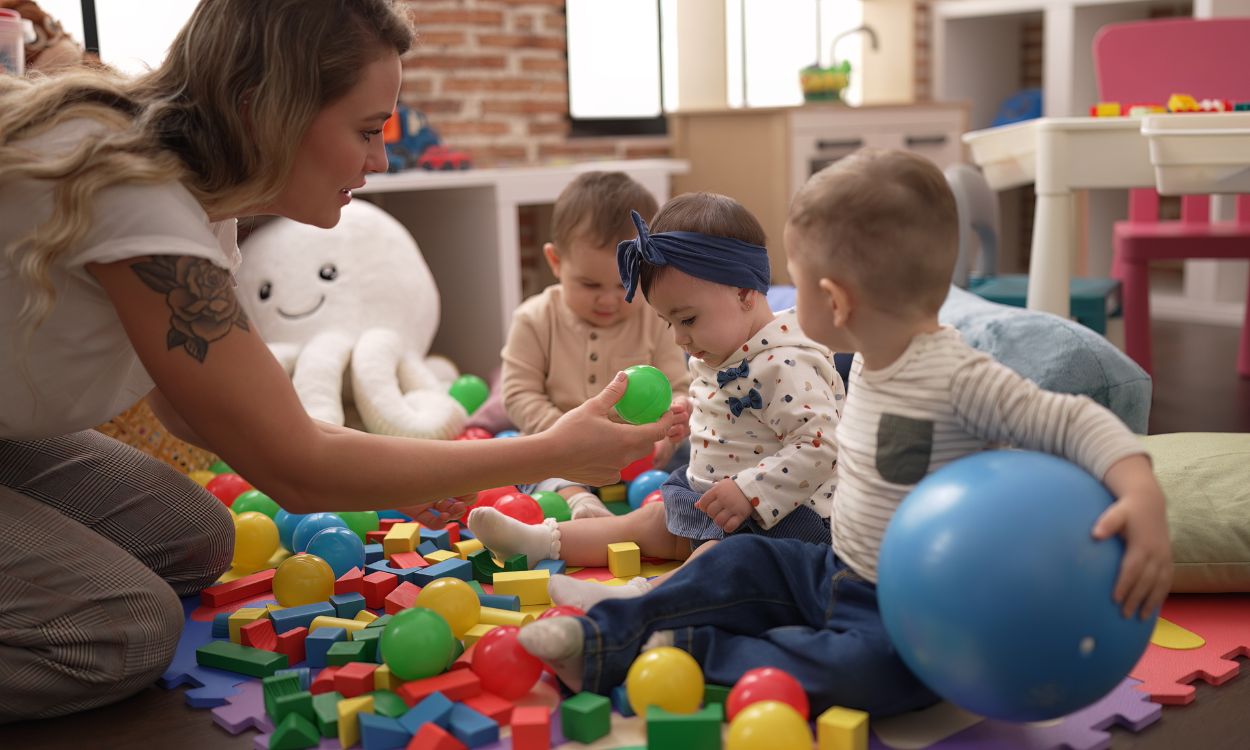
How to Find a Safe and Reliable Daycare Center
Choosing the right daycare is one of the most important decisions for working parents. A daycare center isn’t just a place for supervision it’s where children learn, grow, and develop social skills. Ensuring safety, reliability, and quality care is essential for your child’s well-being. This guide provides practical tips to help parents select a best daycare that meets both safety standards and educational needs. 1. Prioritize Safety First Safety should be the top consideration when evaluating a daycare. A safe environment protects children from accidents and promotes peace of mind for parents. Check for clean and childproofed facilities: Look for secure gates, covered outlets, and safe play areas. Emergency protocols: Ensure staff are trained in first aid, CPR, and emergency procedures. Health and hygiene: Verify cleanliness, proper diapering practices, and regular sanitization. A daycare that prioritizes safety demonstrates professionalism and care for children’s well-being. 2. Evaluate Staff Qualifications and Ratios The quality of caregivers directly impacts a child’s development. Experienced, trained staff can provide emotional support, guidance, and structured learning. Ask about teacher qualifications and certifications. Check teacher-to-child ratios to ensure children get sufficient attention. Observe staff interaction with children—gentle, patient, and responsive caregivers indicate a positive environment. Well-trained caregivers create a nurturing space where children feel secure and valued. 3. Assess Curriculum and Learning Environment A good daycare blends care with early learning experiences. Look for programs that stimulate curiosity and social growth. Play-based learning: Encourages exploration, creativity, and problem-solving. STEM and arts integration: Activities like building blocks, storytelling, and drawing support holistic development. Structured routines: Help children develop time management, independence, and social skills. A balanced curriculum ensures that your child’s developmental needs are met while they have fun. 4. Check References and Reviews Word-of-mouth recommendations can provide honest insights into a daycare’s reputation. Talk to other parents for feedback on their experiences. Read online reviews for safety, cleanliness, and quality of care. Ask the daycare for references of families currently enrolled or previously enrolled. Reliable feedback helps parents make informed decisions and avoid potential red flags. 5. Visit the Daycare in Person A personal visit gives you a clear picture of the environment and how staff interact with children. Observe daily routines, cleanliness, and organization. Watch children’s engagement—are they happy, active, and well-cared-for? Ask questions about meals, nap schedules, discipline policies, and emergency procedures. Seeing the daycare firsthand ensures it aligns with your expectations and comfort level. 6. Understand Policies and Communication Transparent policies indicate professionalism and accountability. Ask about sick child policies, drop-off/pick-up procedures, and emergency protocols. Check how the daycare communicates updates—daily reports, apps, or parent meetings. Ensure there’s a clear process for handling concerns or grievances. Strong communication between parents and staff fosters trust and a collaborative approach to childcare. 7. Trust Your Instincts Finally, trust your intuition. If something feels off during visits or discussions, it’s worth considering other options. A daycare should make both you and your child feel comfortable, secure, and valued. Positive vibes, friendly staff, and a safe environment are just as important as certifications and curriculum. Your comfort and peace of mind are essential indicators of a reliable daycare. Conclusion Finding a safe and reliable daycare center requires research, observation, and careful consideration. By prioritizing safety, evaluating staff, checking curriculum, reviewing references, and trusting your instincts, you can select a daycare that nurtures your child’s growth and provides peace of mind. A quality daycare not only ensures safety but also supports learning, social skills, and early development—laying the foundation for a happy and confident child. Don’t miss: STEM Activities for Preschoolers: Making Learning Fun

STEM Activities for Preschoolers: Making Learning Fun
In today’s world, early exposure to STEM—Science, Technology, Engineering, and Mathematics is essential for developing critical thinking and problem-solving skills. Preschoolers are naturally curious and love to explore how things work, making this the perfect time to introduce STEM concepts in fun and playful ways. The goal isn’t to teach complex theories but to spark curiosity through hands-on experiences. With the right activities, learning becomes exciting, creative, and full of discovery. 1. The Importance of STEM in Early Childhood STEM learning at the preschool level helps children think logically, ask questions, and explore the world around them. It’s not about complicated lessons—it’s about play-based learning that encourages observation, experimentation, and imagination. Science teaches them about cause and effect through experiments. Technology helps them understand tools and patterns. Engineering involves building and designing using simple materials. Mathematics builds number sense, measurement, and problem-solving. When children engage in STEM activities early, they develop curiosity and confidence that lay the foundation for lifelong learning. Simple and Fun STEM Activities for Preschoolers Building Towers with Blocks Give children wooden or plastic blocks and encourage them to build tall structures. They learn balance, symmetry, and design. If the tower falls, they learn to adjust and try again—introducing the concept of trial and error. This fun engineering task builds patience, spatial awareness, and problem-solving skills. 2. Sink or Float Experiment Fill a tub with water and let kids drop in different objects—spoons, leaves, coins, or toys. Ask them to guess which ones will sink or float. Explain the idea of density and buoyancy in simple terms. This activity sharpens observation skills and introduces basic scientific reasoning. Nature Scavenger Hunt Take children outdoors and give them a list of natural items to find—like leaves, rocks, flowers, or sticks. They learn classification, comparison, and counting. Encourage them to describe colours, shapes, and textures. This activity makes science interactive while fostering curiosity about the environment. DIY Volcano Eruption Mix baking soda, vinegar, and food colouring to create a mini “volcano.” Kids watch as the mixture bubbles and fizzes, learning about chemical reactions. Ask questions like, “What happens if we add more vinegar?” to stimulate scientific thinking. It’s messy, exciting, and educational—all at once! Counting and Sorting Games Use buttons, beads, or coloured blocks to teach counting and sorting. Children group items by size, shape, or colour. They learn patterns, sequencing, and early math concepts. This hands-on approach turns mathematics into a visual and engaging experience. 3. The Benefits of STEM Learning Through Play When children engage in STEM activities, they learn far more than just basic concepts. Critical Thinking: They learn to ask questions, make predictions, and test their ideas. Creativity: Open-ended tasks encourage imagination and innovation. Collaboration: Working together helps them share ideas and communicate effectively. Resilience: Failure becomes a part of learning—teaching persistence and patience. Play-based STEM learning builds a strong foundation not just for academics, but for real-life problem-solving. 4. Role of Parents and Teachers in STEM Learning Parents and educators play a vital role in making STEM fun and accessible. Encourage curiosity: Let children explore freely without rushing to correct them. Ask open-ended questions: “What do you think will happen next?” or “Why did that change?” Provide simple tools: Everyday items like cups, spoons, sand, or cardboard can turn into STEM materials. Celebrate creativity: Focus on the process, not just the results. When adults create a supportive environment, children naturally develop a love for learning and discovery. 5. Making STEM a Part of Daily Life STEM doesn’t need expensive materials or formal setups. Parents can easily integrate learning into everyday routines: Measure ingredients while cooking to teach basic math and science. Build with cardboard boxes or LEGO to encourage engineering thinking. Observe shadows or rainbows to explore light and nature. Use storybooks that include counting, shapes, or problem-solving themes. Everyday experiences can become exciting STEM lessons when curiosity and imagination lead the way. Conclusion STEM activities for preschoolers are all about making learning playful, creative, and meaningful. By introducing simple experiments, building projects, and problem-solving games, parents and teachers can nurture curiosity and confidence in young minds. Early STEM exposure doesn’t just teach academic skills—it inspires a lifelong love for discovery and innovation. Encouraging hands-on exploration today can shape tomorrow’s thinkers, builders, and innovators—all while making learning incredibly fun! Don’t miss: The Role of Daycare in a Child’s Social Development

The Role of Daycare in a Child’s Social Development
Daycare is no longer just a necessity for working parents it’s a vital part of a child’s early learning experience. Beyond safety and supervision, daycare nurtures emotional growth, social confidence, and interpersonal skills. It helps children learn how to communicate, cooperate, and build lasting friendships. Let’s explore how daycare shapes a child’s social development from the very beginning. 1. Building Social Confidence from an Early Age For many children, daycare is their first opportunity to interact with peers outside their family circle. This exposure allows them to develop social confidence and independence. Children learn to express their needs and feelings. They adapt to group environments and learn to share attention. Over time, shy children often become more outgoing and expressive. These early interactions create a foundation for positive communication and teamwork later in school. 2. Encouraging Teamwork and Cooperation Group activities are an essential part of daycare learning. From art projects to outdoor games, children engage in tasks that require sharing, patience, and problem-solving. They learn to take turns and work collaboratively. Teachers guide them in resolving small conflicts fairly. Children experience the joy of achieving common goals together. Such experiences build essential social skills that prepare them for structured school life and community participation. 3. Learning Empathy and Emotional Regulation Daycare is one of the best environments for children to understand emotions—both their own and others’. Caregivers teach kids to recognize feelings like happiness, anger, and sadness. Children learn empathy by comforting peers or sharing toys. Regular emotional guidance helps them respond calmly to challenges. By learning empathy early, children develop strong emotional intelligence that supports healthy relationships throughout life. 4. Exposure to Diversity and Inclusion Modern daycare centres bring together children from diverse cultural, linguistic, and social backgrounds. Kids learn to appreciate different traditions and perspectives. Exposure to diversity encourages respect and tolerance. Children grow up with a sense of equality and inclusiveness. This early awareness helps them become open-minded, compassionate individuals in an increasingly global world. 5. Strengthening Communication Skills Daycare provides a structured yet playful space where children communicate constantly—with teachers, friends, and groups. Activities like storytelling and singing promote language development. Daily interaction enhances listening and expression skills. Children learn polite speech, body language, and sharing of ideas. These communication skills are vital for academic success and confident self-expression in future years. 6. Developing Independence and Responsibility Daycare encourages children to manage small tasks independently. They learn routines such as organizing bags, eating on their own, and cleaning up after play. These habits foster discipline and responsibility. Independence gained early builds self-esteem and confidence. When children learn to take charge of small responsibilities, they grow into socially aware and self-reliant individuals. 7. The Role of Caregivers in Social Growth Teachers and caregivers at daycare play a crucial role in shaping a child’s social and emotional development. They model positive behaviour, kindness, and respect. Through guided play and gentle correction, they help children learn social boundaries. Caregivers ensure that every child feels included and valued. A nurturing caregiver-child relationship forms the emotional security children need to explore and grow socially. Conclusion Daycare is much more than a place for supervision—it’s a nurturing environment where social, emotional, and communication skills take root. It teaches cooperation, empathy, independence, and confidence that last a lifetime. Choosing the right daycare means investing in a child’s holistic development—helping them not only prepare for school but also for meaningful interactions and relationships throughout life. Don’t miss: Storytelling Tips: How to Make Reading More Engaging for Preschoolers

Storytelling Tips: How to Make Reading More Engaging for Preschoolers
Reading is more than just a skill—it’s a magical gateway to imagination, creativity, and learning. For preschoolers, engaging with stories can spark curiosity and lay the foundation for lifelong literacy. However, keeping young children attentive during storytime can be challenging. With the right storytelling strategies, you can transform reading into an exciting, interactive experience that children eagerly anticipate. Understanding Preschoolers’ Attention Span Preschoolers typically have short attention spans, often lasting only a few minutes per activity. Understanding this is crucial when planning storytime. Stories should be concise, lively, and visually appealing to maintain their interest. Key characteristics of preschoolers’ learning include: Love for repetition and familiar patterns Strong response to visual stimuli and actions Curiosity about the world around them Recognizing these traits allows you to adapt storytelling techniques that cater to their developmental stage. Choose the Right Books Selecting the right stories is the first step in engaging preschoolers. Simple Language: Books with clear, simple sentences make it easier for young children to follow the plot and understand new vocabulary. Vibrant Illustrations: Pictures are essential for capturing attention and helping children visualize the story. Bright colors and expressive characters stimulate imagination. Interactive Elements: Books with flaps, textures, or sounds encourage hands-on exploration, making the reading experience more engaging. Relatable Themes: Stories about emotions, daily routines, animals, or friendship resonate with preschoolers, helping them connect personally with the content. Use Expressive Storytelling Techniques How you tell a story is as important as the story itself. Vary Your Voice: Use different tones, pitch, and volume to represent characters and moods. Excited voices for adventures, soft tones for calm moments, and dramatic pauses create suspense. Incorporate Gestures and Facial Expressions: Physical movements and expressive faces bring the story to life, keeping children attentive and engaged. Encourage Participation: Ask children to repeat key phrases, predict outcomes, or mimic actions. This not only sustains attention but also builds comprehension and memory skills. Make Storytime Interactive Interactive storytelling makes children active participants rather than passive listeners. Ask Questions: Pause periodically to ask open-ended questions like, “What do you think will happen next?” or “How do you think the character feels?” Use Props and Puppets: Props like hats, toys, or puppets related to the story can turn reading into a multisensory experience, helping children connect with characters and events. Encourage Role-Playing: Encourage children to role-play scenes from the story. Role-playing develops creativity, empathy, and social skills. Incorporate Repetition and Routine Preschoolers thrive on routine, and repetition helps them internalize concepts. Read Favorites Multiple Times: Revisiting familiar stories provides comfort, reinforces vocabulary, and deepens comprehension. Establish a Storytime Routine: Designate a consistent time and cozy space for reading each day, signaling to your child that storytime is special and predictable. Foster Emotional Connections Through Stories Stories are powerful tools for emotional learning. Discuss Characters’ Feelings: Encourage children to identify and talk about emotions, promoting empathy and emotional intelligence. Connect Stories to Real Life: Relate story events to everyday experiences, helping children understand lessons and apply them in their own lives. Celebrate Achievements: Praise children for participating, predicting outcomes, or recalling details. Positive reinforcement boosts confidence and motivation. Extend Learning Beyond Storytime Reading can become a continuous learning experience beyond the book itself. Art and Crafts: Encourage drawing scenes or characters from the story. Music and Songs: Sing songs or rhymes related to the story’s theme. Outdoor Exploration: Connect story themes to real-world experiences, like observing animals after reading an animal story. By extending storytelling beyond the page, children develop critical thinking, creativity, and a deeper love for reading. TechSix – Preschool & Daycare Excellence TechSix – Preschool & Daycare Excellence fosters a nurturing environment where young minds grow through innovative learning and creative exploration. Beyond academics, TechSix encourages hands-on activities like DIY craft ideas for preschoolers to boost creativity, enhance fine motor skills, and inspire self-expression. Engaging in fun, simple crafts helps children develop problem-solving abilities while making learning enjoyable. Preschool Admissions are now open for the 2025-26 Academic Session!! – Enroll Your Kid Now Final Thoughts Making reading engaging for preschoolers requires creativity, patience, and consistency. By choosing age-appropriate books, using expressive storytelling techniques, incorporating interactive elements, and connecting stories to emotions and real life, you can turn storytime into an enriching and enjoyable experience. Cultivating a love for books early lays the foundation for lifelong learning, imagination, and curiosity. Engaging storytelling is not just about finishing a book—it’s about creating memorable experiences that inspire preschoolers to explore the world through stories. Don’t miss: Daycare vs. Nanny: What’s Best for Your Family?

How to Handle Separation Anxiety When Dropping Your Child Off at Daycare
Dropping your child off at daycare for the first time can be an emotional experience for both you and your little one. Separation anxiety is common, especially for toddlers, and it’s normal to feel concerned about leaving your child in someone else’s care. The good news is that with the right strategies, you can help your child adjust smoothly and feel secure while fostering independence. Understanding Separation Anxiety Separation anxiety typically appears in children between 8 months and 3 years old but can persist in older toddlers. It manifests as crying, clinging, or reluctance to let go when parents leave. For parents, witnessing this can be stressful, but it’s an essential developmental phase. Children who experience and overcome separation anxiety often build confidence and resilience over time. Key signs of separation anxiety include: Crying or screaming when a parent leaves Clinging to parents at drop-off Tantrums or resistance to enter daycare Seeking constant reassurance Prepare Your Child in Advance Preparation can make transitions smoother. Here’s how to do it: Talk About Daycare Positively: Describe daycare as a fun place to play, learn, and meet friends. Using upbeat language helps your child associate daycare with positive experiences rather than fear or loss. Visit the Daycare Together: Before the first day, take your child on a few visits. Familiarity with teachers, classmates, and the environment reduces fear and builds comfort. Establish a Goodbye Routine: Children thrive on consistency. Create a short, predictable ritual—like a hug, a high-five, or a special phrase—so your child knows what to expect every morning. Ease the Transition with Emotional Support Supporting your child emotionally is key to reducing anxiety: Validate Their Feelings: Acknowledge your child’s emotions. Saying, “I know it’s hard to say goodbye, but you’ll have fun today,” helps them feel understood and safe. Stay Calm and Confident: Children often pick up on parental emotions. If you remain composed and positive, it reassures your child that daycare is safe. Offer Comfort Items: Allow your child to bring a small item from home, like a favorite toy or blanket. Familiar objects provide security and ease anxiety. Create a Consistent Drop-Off Routine A structured routine helps children know what to expect, which reduces uncertainty and stress. Keep Goodbyes Brief: Lingering can heighten anxiety. Say your goodbye, give a hug, and leave confidently. Arrive on Time: Late arrivals can create rushed and stressful goodbyes. A calm start sets the tone for the day. Reassure, Don’t Overpromise: Avoid saying things like “I’ll be back in two minutes” if it’s longer. Instead, focus on when you’ll reunite. Consistency and predictability teach children that separations are temporary and safe. Collaborate With Daycare Staff Daycare teachers play a crucial role in easing separation anxiety. Communicate in Advance: Share your child’s likes, dislikes, and fears. This allows teachers to provide tailored support. Use Transitional Strategies: Teachers can engage children in welcoming activities immediately after drop-off, distracting them and fostering a positive start. Stay in Touch: Many daycares provide updates or photos during the day, reassuring parents and children alike. Gradual Adjustment If your child struggles initially, consider a gradual approach: Shorter Days: Start with half-days or shorter durations and increase as your child grows more comfortable. Practice Short Separations: Brief periods away from you at home can help your child get used to being apart in a safe environment. Celebrate Successes: Praise and encourage small steps toward independence. Patience is vital. Every child adjusts at their own pace, and it’s normal for progress to take days or weeks. Take Care of Yourself Too Managing your own emotions is just as important as supporting your child. Parents who are anxious or guilty can unintentionally pass these feelings on. Practice self-care and remember that daycare offers valuable social and developmental benefits for your child. TechSix – Preschool & Daycare Excellence TechSix – Preschool & Daycare Excellence fosters a nurturing environment where young minds grow through innovative learning and creative exploration. Beyond academics, TechSix encourages hands-on activities like DIY craft ideas for preschoolers to boost creativity, enhance fine motor skills, and inspire self-expression. Engaging in fun, simple crafts helps children develop problem-solving abilities while making learning enjoyable. Preschool Admissions are now open for the 2025-26 Academic Session!! – Enroll Your Kid Now Final Thoughts Separation anxiety is a natural part of early childhood, but it doesn’t have to make drop-offs stressful. By preparing your child, establishing consistent routines, collaborating with daycare staff, and offering emotional support, you can create a smoother transition for both your child and yourself. With patience and persistence, you’ll soon find mornings becoming calmer and your child more confident and independent. Don’t miss: Fun Science Experiments for Curious Young Minds
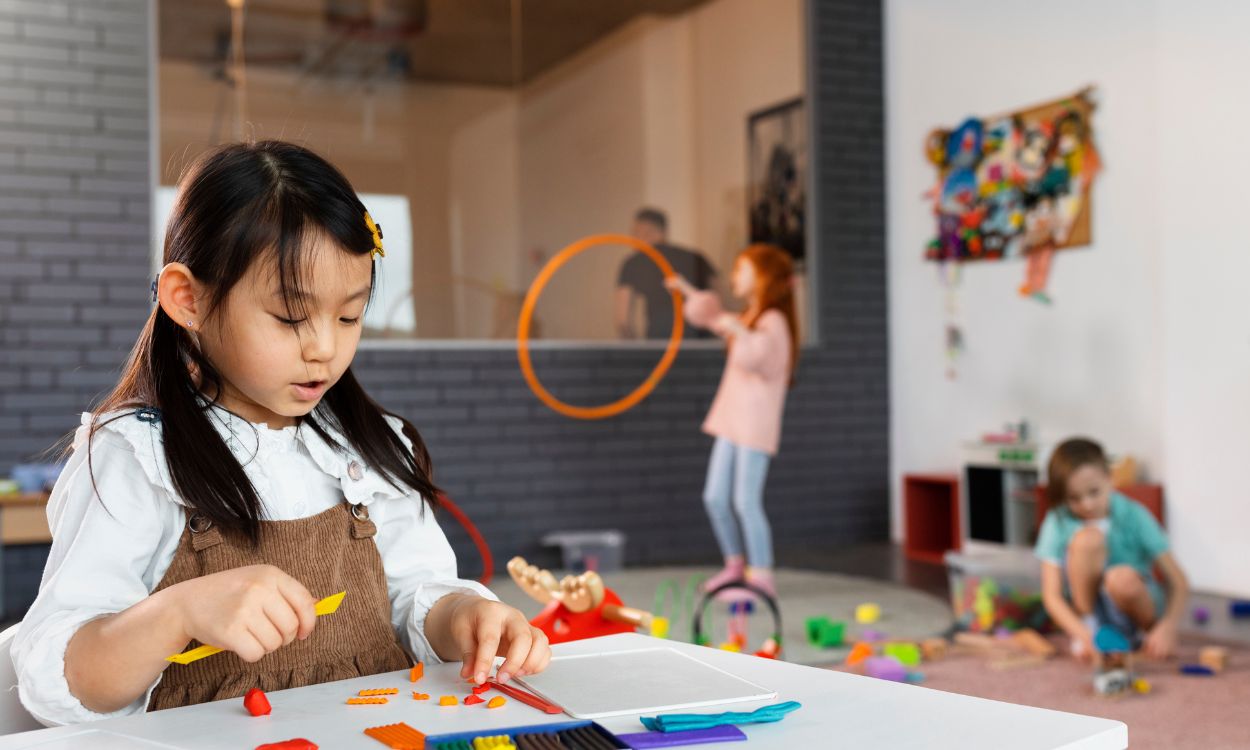
Daycare vs. Nanny: What’s Best for Your Family?
Choosing the right childcare option is one of the most important decisions parents face. Balancing work, family, and your child’s needs requires careful consideration of both daycare centers and hiring a nanny. Each option offers unique advantages, but what’s truly best for your family depends on your lifestyle, budget, and your child’s personality. This guide explores the pros and cons of both options to help you make an informed choice. Understanding Daycare Daycare centers are structured facilities where children are cared for in groups under the supervision of trained professionals. These centers often have specific age-based programs, from infants to preschoolers, and provide a variety of activities to support social, emotional, and cognitive development. Pros of Daycare: Socialization Opportunities: Children interact with peers daily, developing communication, teamwork, and conflict-resolution skills. Structured Learning: Many daycares follow early learning curricula that prepare children for school. Reliable Scheduling: Daycare centers typically operate on a fixed schedule, making it easier for working parents to plan their day. Safety and Oversight: Licensed daycares meet regulatory standards and have multiple staff members, ensuring accountability and safety. Cons of Daycare: Less Individual Attention: With a higher child-to-caregiver ratio, some children may not receive personalized attention. Exposure to Illness: Children in group settings may experience more frequent colds and minor illnesses. Less Flexibility: Daycare hours are fixed, which might not align with irregular work schedules. Understanding a Nanny A nanny is a dedicated childcare professional who provides individualized care for your child at home. Nannies can offer full-time or part-time support and often take on additional responsibilities such as meal preparation or light household tasks. Pros of Hiring a Nanny: Personalized Attention: Your child receives one-on-one care, allowing the nanny to cater to their specific needs and learning pace. Flexible Scheduling: Nannies can adapt to your work hours, making them ideal for families with irregular schedules. Home Comfort: Children remain in a familiar environment, which can reduce separation anxiety and help maintain routines. Additional Support: Some nannies assist with light housework or errands, easing overall family workload. Cons of Hiring a Nanny: Higher Cost: Nannies are typically more expensive than daycare, especially when factoring in taxes and benefits. Less Social Interaction: Children may have fewer opportunities to interact with peers unless additional playdates or classes are arranged. Dependence on One Individual: The family relies heavily on the nanny’s availability, making backup arrangements essential. Key Factors to Consider When deciding between daycare and a nanny, several factors can guide your choice: Child’s Personality: Some children thrive in group settings, while others benefit from individualized attention. Observing your child’s social comfort and adaptability is essential. Budget: Daycare often offers more cost-effective options, but a nanny provides personalized care at a higher expense. Consider your family’s financial situation carefully. Work Schedule: Parents with strict 9-to-5 schedules may find daycare convenient, while those with irregular hours might prefer the flexibility of a nanny. Learning Goals: If early education and structured activities are priorities, daycare may offer a curriculum-based approach. A nanny can provide customized learning activities tailored to your child. Family Dynamics: Consider household responsibilities, the number of children, and your support system. A nanny can provide more holistic assistance, but daycare may offer social benefits your child needs. Making the Decision Ultimately, there’s no one-size-fits-all answer. Many families even combine both options, using daycare for structured learning and socialization a few days a week and a nanny for personalized care on other days. Visiting daycare centers, interviewing potential nannies, and considering your child’s temperament will help you find the best match. Tips for a Smooth Transition Trial Period: Whether choosing a daycare or nanny, start with a trial period to gauge comfort and compatibility. Open Communication: Maintain regular communication with caregivers to track progress and address concerns. Establish Routines: Consistent schedules at home and with the caregiver help children feel secure and adjust smoothly. Prioritize Safety: Check references, licenses, and background checks thoroughly before making a decision. TechSix – Preschool & Daycare Excellence TechSix – Preschool & Daycare Excellence fosters a nurturing environment where young minds grow through innovative learning and creative exploration. Beyond academics, TechSix encourages hands-on activities like DIY craft ideas for preschoolers to boost creativity, enhance fine motor skills, and inspire self-expression. Engaging in fun, simple crafts helps children develop problem-solving abilities while making learning enjoyable. Preschool Admissions are now open for the 2025-26 Academic Session!! – Enroll Your Kid Now Conclusion Choosing between daycare and a nanny involves weighing socialization, attention, flexibility, and cost. While daycare offers structured learning and social engagement, a nanny provides individualized care and adaptability. By evaluating your family’s needs, work schedules, and your child’s personality, you can make a decision that ensures your child’s happiness, safety, and development. Your child’s early years are precious—making the right childcare choice sets the foundation for a confident, healthy, and well-rounded future. Don’t miss: Fun Science Experiments for Curious Young Minds

How to Help Your Child Develop Empathy and Kindness Every Day
Teaching kindness and empathy to young children is one of the most valuable lessons parents and educators can impart. These social-emotional skills lay the foundation for healthy relationships, emotional intelligence, and overall well-being. Early childhood is a critical period when children observe, imitate, and internalize behaviors, making it the perfect time to nurture compassion and understanding. Why Kindness and Empathy Are Important Empathy is the ability to recognize and understand the feelings of others, while kindness is the act of expressing care and concern. Together, they help children: Build strong friendships and social bonds Develop emotional regulation and self-awareness Reduce conflicts and encourage cooperation Foster a positive and inclusive environment Children who grow up practicing empathy and kindness are more likely to succeed socially and emotionally later in life. Model Kindness in Everyday Life Children learn by observing adults. Demonstrating kindness in daily interactions provides a live example for children to follow. Simple actions like saying “please” and “thank you,” helping a neighbor, or showing patience during stressful moments teach valuable lessons. Tip: Narrate your actions aloud. For example, “I’m holding the door for someone because it’s kind to help others.” This verbal reinforcement helps children connect actions with their underlying purpose. Use Storytelling to Teach Empathy Stories are powerful tools for illustrating emotions and perspectives. Reading books or telling stories with diverse characters allows children to see situations from another person’s point of view. After reading, engage children in discussions by asking: “How do you think this character feels?” “What would you do if you were in their place?” This encourages emotional awareness and critical thinking about others’ experiences. Encourage Sharing and Cooperative Play Sharing toys, taking turns, and working together in play teach children the value of considering others’ needs. Group activities like building a block tower, playing board games, or participating in team art projects foster collaboration and patience. Tip: Praise efforts to include peers or show consideration, not just the outcome. Statements like “You let your friend have the first turn—that was very kind” reinforce empathetic behavior. Practice Emotion Recognition Helping children identify their own feelings is a key step toward understanding others’ emotions. Activities such as: Using emotion cards to name feelings Mimicking facial expressions in front of a mirror Talking about experiences that made them happy, sad, or frustrated …teach children to recognize emotions in themselves and, by extension, in others. Engage in Acts of Kindness Encourage children to participate in small, real-life acts of kindness. Examples include: Making a card for a family member or friend Donating toys or clothes to those in need Helping set the table or care for a pet These activities make kindness tangible and show children the positive impact of their actions. Encourage Reflection and Discussion After conflicts or group activities, guide children to reflect on their behavior and the feelings of others. Questions like: “How did your friend feel when that happened?” “What could we do differently next time?” …promote empathy, problem-solving, and moral reasoning. TechSix – Preschool & Daycare Excellence TechSix – Preschool & Daycare Excellence fosters a nurturing environment where young minds grow through innovative learning and creative exploration. Beyond academics, TechSix encourages hands-on activities like DIY craft ideas for preschoolers to boost creativity, enhance fine motor skills, and inspire self-expression. Engaging in fun, simple crafts helps children develop problem-solving abilities while making learning enjoyable. Preschool Admissions are now open for the 2025-26 Academic Session!! – Enroll Your Kid Now Conclusion Teaching kindness and empathy to young children requires patience, consistency, and active guidance. Through modeling, storytelling, cooperative play, emotional awareness, and real-life acts of compassion, children learn to navigate social situations with care and understanding. Instilling these values early not only helps them build meaningful relationships but also nurtures a generation of thoughtful, compassionate individuals. Don’t miss: Creative Play-Based Learning Activities for Preschoolers
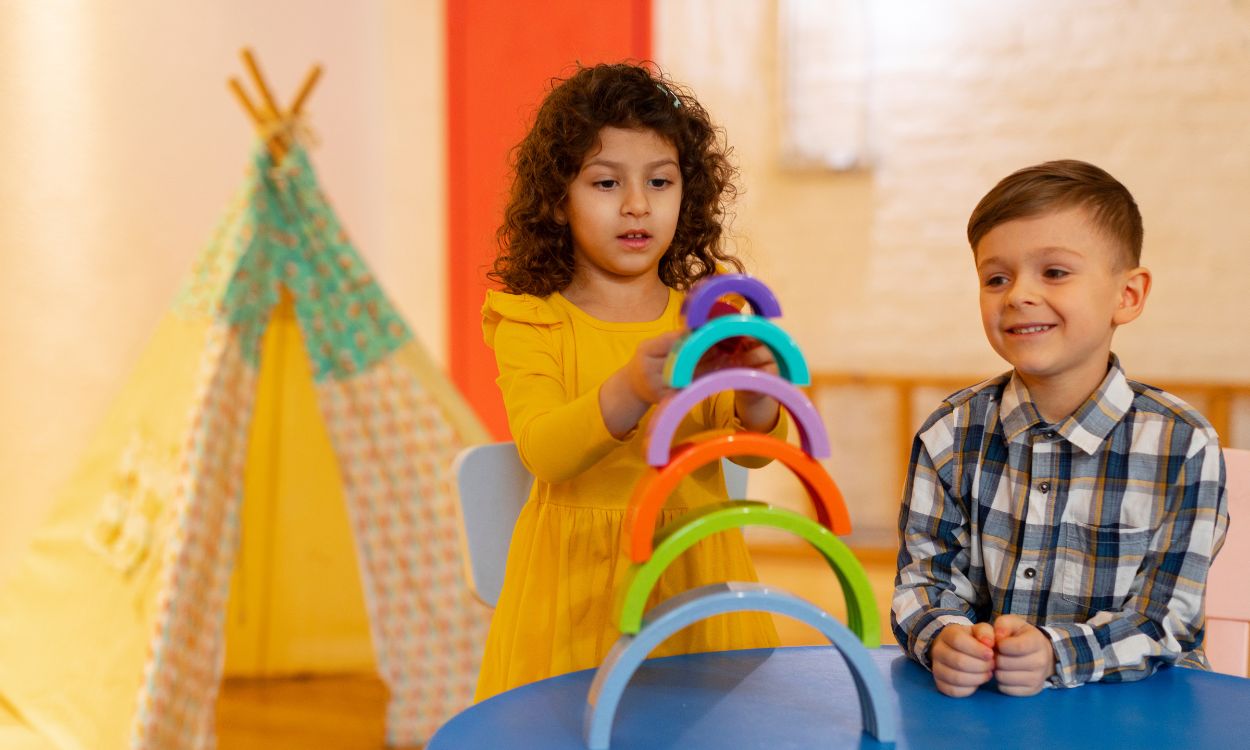
Creative Play-Based Learning Activities for Preschoolers
Early childhood is a magical stage of exploration and curiosity. Preschoolers learn best when they play, experiment, and engage in hands-on activities. Play-based learning bridges the gap between fun and education by nurturing essential skills like communication, motor coordination, problem-solving, and imagination. Let’s explore some creative play-based learning activities that both parents and teachers can introduce to make early education more joyful and meaningful. Why Play-Based Learning Matters Unlike rote memorisation, play encourages children to interact with their surroundings and apply knowledge in practical ways. Through play, preschoolers develop cognitive abilities, improve social interactions, and strengthen emotional resilience. Activities such as storytelling, building blocks, or pretend play allow children to learn concepts naturally while enjoying the process. Storytelling Through Puppets Puppet shows are a wonderful way to spark imagination. Children can create simple paper-bag or sock puppets, then use them to narrate stories. This activity helps: Improve language and vocabulary skills Build listening and comprehension abilities Encourage confidence in self-expression Tip: Let the children come up with their own characters and short stories. This will boost creativity and narrative thinking. Sensory Play with Everyday Items Sensory bins filled with rice, sand, water, or colourful beads offer hands-on learning opportunities. Preschoolers can scoop, pour, and sort items while learning about textures and patterns. Sensory play helps in: Strengthening fine motor skills Enhancing concentration Developing problem-solving through trial and error To add variety, include theme-based bins like “ocean world” with shells and toy fish or “construction zone” with blocks and toy trucks. Role-Play and Pretend Play Preschoolers love imitating real-life situations. Pretend play, such as setting up a mini kitchen, doctor’s clinic, or grocery store, allows children to understand roles and responsibilities. It also develops: Social and communication skills Emotional intelligence through empathy Basic math and literacy (e.g., counting fruits or reading signs) Encouraging role-play in groups fosters teamwork and collaboration among children. Music and Movement Games Songs and dance are powerful learning tools for preschoolers. Singing nursery rhymes, playing instruments, or dancing to music develops rhythm, coordination, and memory. Activities like “freeze dance” or “musical chairs” also: Improve listening skills Teach patience and turn-taking Build gross motor strength Integrating educational songs (e.g., alphabet or counting songs) makes learning effortless and fun. Building with Blocks and Lego Block play enhances both creativity and critical thinking. Children can build towers, houses, or bridges while experimenting with balance and design. Benefits include: Early exposure to STEM concepts like shapes, measurement, and engineering Improved problem-solving abilities Development of spatial awareness Encourage children to explain what they’ve built—this nurtures language skills and logical reasoning. Outdoor Play and Nature Exploration Nature provides endless learning opportunities. Activities like treasure hunts, gardening, or simply observing insects and leaves help preschoolers connect with the environment. Outdoor play promotes: Physical fitness and coordination Curiosity about science and the natural world Independence and exploration skills Simple games like hopscotch or relay races also improve motor skills while keeping children active. Tips for Parents and Teachers Encourage free exploration – Allow children to make their own choices during play. Balance structure with creativity – Provide gentle guidance but give space for imagination. Celebrate effort, not perfection – Focus on the joy of learning rather than the outcome. TechSix – Preschool & Daycare Excellence TechSix – Preschool & Daycare Excellence fosters a nurturing environment where young minds grow through innovative learning and creative exploration. Beyond academics, TechSix encourages hands-on activities like DIY craft ideas for preschoolers to boost creativity, enhance fine motor skills, and inspire self-expression. Engaging in fun, simple crafts helps children develop problem-solving abilities while making learning enjoyable. Preschool Admissions are now open for the 2025-26 Academic Session!! – Enroll Your Kid Now Conclusion Creative play-based learning activities lay a strong foundation for a child’s overall growth. From puppet storytelling to outdoor adventures, these activities nurture problem-solving, confidence, and curiosity while keeping learning enjoyable. Whether at home or in preschool, introducing structured yet playful experiences ensures that children embrace education as a fun and exciting journey. Don’t miss: The Importance of Sharing and How to Encourage It in Preschoolers