

Teaching children the value of sharing is one of the most meaningful lessons during the preschool years. While it may seem like a small act, sharing builds the foundation for kindness, empathy, and positive social interactions. Preschool is the perfect stage to nurture this habit, as children are beginning to explore relationships and understand the needs of others. Why Sharing Matters in Early Childhood Builds Social Bonds Sharing teaches children how to connect with peers. When a preschooler shares toys, books, or snacks, they learn cooperation and strengthen friendships. This sense of bonding contributes to a positive classroom and home environment. Encourages Empathy When children share, they begin to recognize the feelings of others. They develop empathy by realizing that just as they enjoy playing with something, another child might enjoy it too. Promotes Problem-Solving Sharing isn’t always easy, and conflicts may arise. These moments become opportunities for children to negotiate, wait patiently, and find fair solutions-essential life skills they’ll carry into adulthood. Challenges Preschoolers Face with Sharing It’s important to remember that reluctance to share is normal. At this age, children are still developing their sense of identity and ownership. Toys and belongings often feel like extensions of themselves, which makes letting go difficult. Instead of expecting perfect behavior, parents and teachers should see challenges as opportunities for gentle guidance. How to Encourage Sharing in Preschoolers Model Sharing Behavior Children learn best by observing adults. Demonstrate sharing in everyday situations-whether it’s passing food at the dinner table, lending an item, or helping a friend. Narrate the act, for example: “I’m sharing my book with you because I know you’ll enjoy it too.” Use Playtime as Practice Playdates and group activities provide natural opportunities for sharing. Encourage children to take turns with toys and games. Cooperative play, like building blocks together or painting a large picture, makes sharing enjoyable and rewarding. Praise and Acknowledge Efforts Positive reinforcement goes a long way. A simple, “I love how you shared your toy with your friend,” builds confidence and motivates children to repeat the behavior. Teach Through Stories and Role-Play Books and stories about sharing can make lessons more relatable. Role-playing scenarios, such as pretending to host a tea party or running a shop, give preschoolers fun, hands-on experiences in sharing. Create Fair Rules at Home and School Consistency helps children understand expectations. Simple rules like “Everyone gets a turn” or “We share toys during playtime” teach fairness and reduce conflicts. Encourage Empathy with Gentle Reminders When children hesitate to share, gently remind them how others may feel. Saying, “Your friend would love a turn too. How about we give them a chance?” teaches consideration without forcing compliance. The Long-Term Benefits of Teaching Sharing When nurtured in early childhood, sharing becomes a lifelong skill. Children who learn to share grow into empathetic, cooperative, and socially adaptable individuals. These qualities not only help them build lasting friendships but also prepare them for teamwork, leadership, and community involvement later in life. TechSix – Preschool & Daycare Excellence TechSix – Preschool & Daycare Excellence fosters a nurturing environment where young minds grow through innovative learning and creative exploration. Beyond academics, TechSix encourages hands-on activities like DIY craft ideas for preschoolers to boost creativity, enhance fine motor skills, and inspire self-expression. Engaging in fun, simple crafts helps children develop problem-solving abilities while making learning enjoyable. Preschool Admissions are now open for the 2025-26 Academic Session!! – Enroll Your Kid Now Final Thoughts Encouraging preschoolers to share is not about strict rules-it’s about creating experiences that foster kindness and understanding. Through role modeling, positive reinforcement, and playful practice, parents and teachers can nurture a spirit of generosity that will serve children well throughout their lives. By making sharing a natural part of daily life, we raise compassionate individuals ready to contribute positively to the world around them. Don’t Miss: Simple Sensory Play Activities to Enhance Learning at Home
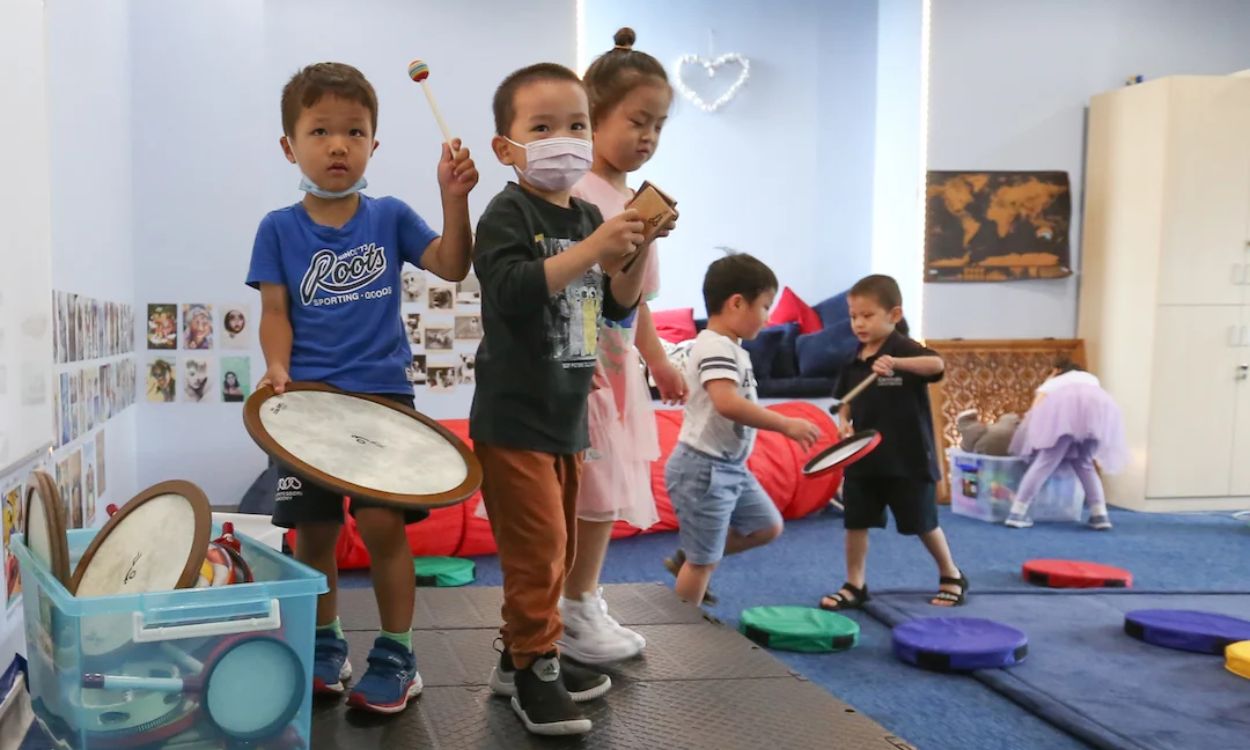
Simple Sensory Play Activities to Enhance Learning at Home
Children are naturally curious learners. One of the most effective ways to support their growth is through sensory play-activities that engage touch, sight, sound, smell, and even taste. Sensory play not only keeps kids entertained but also helps build critical thinking, problem-solving, and fine motor skills. The best part? You can create fun, engaging sensory experiences at home with simple items. Why Sensory Play Matters Before diving into activities, it’s important to understand why sensory play is so valuable. Boosts brain development: Stimulates neural connections and encourages exploration. Improves focus and calmness: Helps children regulate emotions and reduce stress. Enhances motor skills: Strengthens hand-eye coordination and dexterity. Encourages creativity: Sparks imagination through open-ended play. Easy Sensory Play Activities for Home 1. Rice or Pasta Sensory Bin Fill a tub with dry rice or pasta and add spoons, cups, or small toys. Kids can scoop, pour, and bury treasures. This activity strengthens fine motor skills while encouraging imaginative play. 2. Water Play Station Using bowls of water, sponges, and cups, children can squeeze, pour, and transfer water. For added fun, include food coloring or floating toys. It’s a wonderful way to teach concepts like volume and cause-and-effect. 3. Homemade Playdough Playdough is excellent for tactile learning. With simple ingredients like flour, salt, and water, you can make your own. Encourage kids to roll, flatten, and shape it into creative designs, building finger strength and creativity. 4. Nature Sensory Walk Step outside and collect leaves, flowers, or pebbles. Encourage children to touch and describe textures-smooth, rough, soft, or crunchy. This simple activity enhances observation and language skills. 5. Sensory Bottles Fill clear bottles with glitter, beads, or colored water. Children can shake and watch the contents settle. These bottles are not only calming but also spark curiosity about movement and density. Tips for Parents Keep activities simple and safe with age-appropriate materials. Allow children to explore freely without strict instructions. Rotate activities to keep playtime fresh and exciting. Involve kids in preparing materials to build independence. TechSix – Preschool & Daycare Excellence TechSix – Preschool & Daycare Excellence fosters a nurturing environment where young minds grow through innovative learning and creative exploration. Beyond academics, TechSix encourages hands-on activities like DIY craft ideas for preschoolers to boost creativity, enhance fine motor skills, and inspire self-expression. Engaging in fun, simple crafts helps children develop problem-solving abilities while making learning enjoyable. Preschool Admissions are now open for the 2025-26 Academic Session!! – Enroll Your Kid Now Final Thoughts Sensory play doesn’t require fancy tools-just a little creativity and household items. By incorporating these simple sensory play activities into your routine, you provide your child with enriching opportunities to learn, grow, and explore in a fun and engaging way. Don’t Miss: Fun Science Experiments for Curious Young Minds

Fun Science Experiments for Curious Young Minds
Children are naturally curious, always eager to explore how the world works. Science experiments provide the perfect way to channel that curiosity into fun, hands-on learning. By combining play with discovery, kids not only grasp scientific concepts but also develop problem-solving skills, creativity, and confidence. Here are some exciting and safe experiments that will spark young imaginations. Why Science Experiments Matter for Kids Science is not just about reading books or memorizing facts-it’s about observation, exploration, and asking questions. Experiments help children: Understand basic scientific principles through real-life examples. Learn patience and observation skills. Develop curiosity and love for lifelong learning. Boost creativity by trying out new ideas. Classic Fun Experiments for Young Minds 1. The Volcano Eruption One of the most loved science experiments, this activity mimics a volcanic eruption using household items. What you need: baking soda, vinegar, food coloring, and a small container. How it works: When vinegar (acid) mixes with baking soda (base), it releases carbon dioxide, creating bubbly lava that overflows. 2. Rainbow in a Glass This experiment introduces kids to density and layering of liquids. What you need: Sugar, water, food coloring, and glasses. How it works: By mixing sugar with different amounts of water, kids can layer colored solutions one on top of the other to create a rainbow effect. 3. Dancing Raisins This simple yet fascinating activity shows how gases can make objects move. What you need: Clear soda and a few raisins. How it works: The carbon dioxide bubbles stick to the raisins, making them float. Once the bubbles pop, the raisins sink again, creating a dancing motion. Experiments That Spark Creativity 1. Invisible Ink Messages Encourage your child’s inner detective with this activity. What you need: Lemon juice, cotton swab, and paper. How it works: Write with lemon juice on paper, let it dry, and reveal the hidden message by heating the paper with a lamp. 2. Homemade Slime Slime-making combines fun with basic chemistry. What you need: Glue, water, food coloring, and borax solution. How it works: The borax changes the structure of the glue, turning it into stretchy slime. Kids can explore textures while learning about polymers. Nature-Inspired Experiments 1. Growing Bean Sprouts Teach kids about plant growth and life cycles. What you need: A glass jar, cotton balls, and dry beans. How it works: Place beans on damp cotton in a jar and watch them sprout in just a few days. Children learn how seeds grow into plants. 2. Walking Water This colorful experiment shows how water moves through capillary action. What you need: Cups, water, food coloring, and paper towels. How it works: Fill cups with different colored water, connect them with paper towels, and watch as water “walks” into empty cups, mixing colors along the way. Tips for Parents and Teachers Keep safety first: Always supervise experiments involving heat, chemicals, or small objects. Encourage curiosity: Let children make predictions before starting. Discuss outcomes: Ask questions like “Why do you think this happened?” Make it fun: Science should feel like play, not homework. TechSix – Preschool & Daycare Excellence TechSix – Preschool & Daycare Excellence fosters a nurturing environment where young minds grow through innovative learning and creative exploration. Beyond academics, TechSix encourages hands-on activities like DIY craft ideas for preschoolers to boost creativity, enhance fine motor skills, and inspire self-expression. Engaging in fun, simple crafts helps children develop problem-solving abilities while making learning enjoyable. Preschool Admissions are now open for the 2025-26 Academic Session!! – Enroll Your Kid Now Final Thoughts Fun science experiments are more than just activities-they’re stepping stones to a world of discovery. Whether it’s creating an erupting volcano, growing plants in a jar, or watching raisins dance, these simple projects help children connect with science in joyful ways. By encouraging hands-on exploration, parents and teachers can nurture curious young minds and inspire the scientists of tomorrow. Don’t Miss: Effective Morning Routines to Get Your Preschooler Ready for School
Effective Morning Routines to Get Your Preschooler Ready for School
Mornings with preschoolers can be both delightful and challenging. Between sleepy eyes, playful distractions, and the rush to reach school on time, parents often find themselves in a whirlwind. Establishing an effective morning routine can make the process smoother, stress-free, and enjoyable for both you and your child. The Importance of a Structured Morning Routine A steady routine gives children a feeling of stability and reassurance. When your preschooler knows what to expect, it reduces resistance and makes transitions-like waking up and leaving for school, much easier. It also helps instill discipline and time management skills at an early age. Start with a Good Night’s Sleep The foundation of a smooth morning begins the night before. Ensure your child goes to bed on time to get enough rest. Preschoolers need about 10–12 hours of sleep. A well-rested child wakes up happier and more cooperative, setting the tone for the entire morning. Create a Calm Wake-Up Ritual Instead of abrupt alarms or hurried wake-ups, gently ease your child into the day. Open the curtains to let in natural light, play soft music, or use a cheerful tone to greet them. This creates a positive start and reduces crankiness. Establish a Step-by-Step Routine Breaking down the morning into small, manageable steps helps children understand what comes next. You can even use a visual chart with pictures for brushing teeth, washing face, eating breakfast, and getting dressed. For example: Brush teeth and wash up – Encourage independence but assist when needed. Get dressed – Lay out clothes the night before to avoid morning debates. Eat a healthy breakfast – Choose quick yet nutritious options like fruit, eggs, or whole-grain toast. Pack school essentials – Involve your child in packing their bag to build responsibility. Keep Breakfast Simple and Nutritious A healthy breakfast fuels your child’s body and brain for the day ahead. Avoid overly sugary foods that can cause energy crashes. Instead, go for balanced meals that include protein, fiber, and fruits. Use Playful Motivation Turning routines into fun activities can make mornings enjoyable. Sing a “getting ready” song, set a timer for a friendly race while dressing, or reward them with a sticker chart for staying on track. Positive reinforcement encourages cooperation. Stay Calm and Consistent Children often mirror their parents’ emotions. If you’re stressed and rushed, they will sense it too. Try to stay calm, patient, and consistent with your routine. Over time, your child will adapt and mornings will become smoother. TechSix – Preschool & Daycare Excellence TechSix – Preschool & Daycare Excellence fosters a nurturing environment where young minds grow through innovative learning and creative exploration. Beyond academics, TechSix encourages hands-on activities like DIY craft ideas for preschoolers to boost creativity, enhance fine motor skills, and inspire self-expression. Engaging in fun, simple crafts helps children develop problem-solving abilities while making learning enjoyable. Preschool Admissions are now open for the 2025-26 Academic Session!! – Enroll Your Kid Now Final Thoughts A well-planned morning routine not only gets your preschooler ready for school but also sets the tone for their entire day. With consistency, patience, and a little creativity, mornings can transform from chaotic to cheerful, giving your child the best possible start. Don’t Miss: The Role of Music and Movement in Early Learning

The Role of Music and Movement in Early Learning
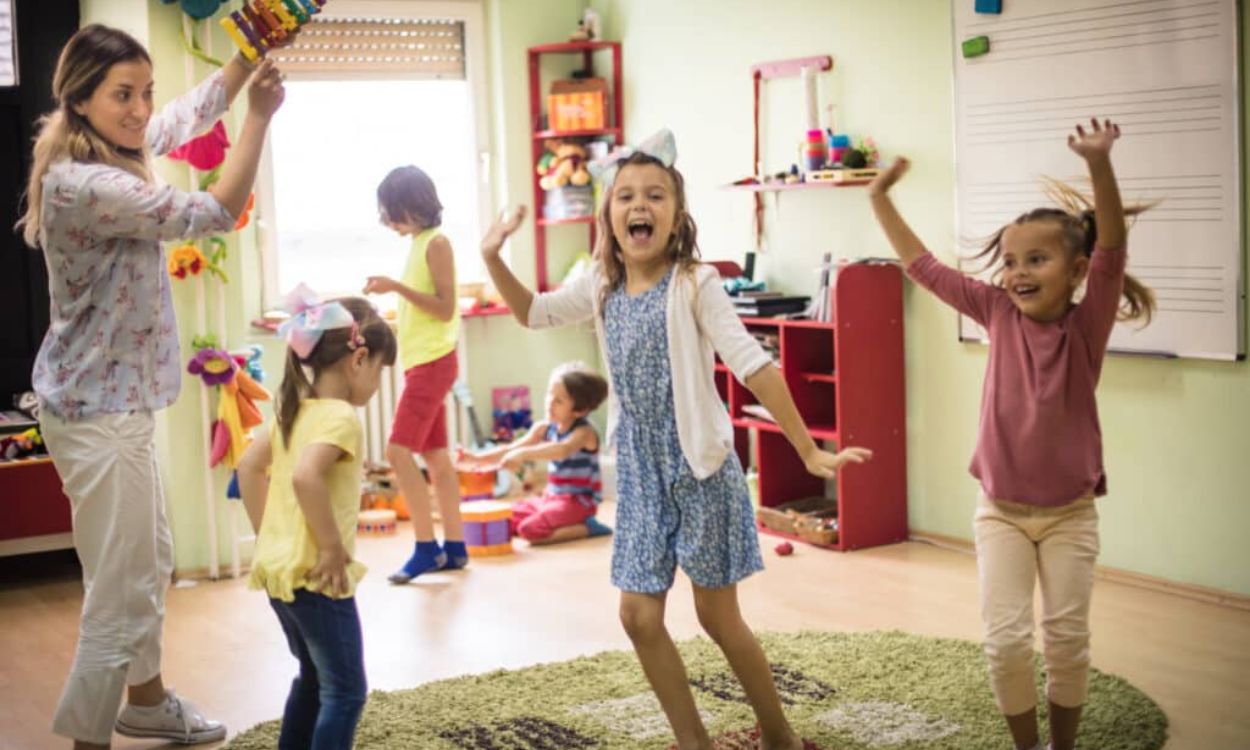
Early childhood education is about more than just numbers and letters-it’s about building a strong foundation for cognitive, social, and emotional growth. One of the most engaging and effective tools in this process is the integration of music and movement. Whether it’s singing nursery rhymes, dancing to rhythms, or using musical instruments, these activities play a vital role in a child’s early development. Why Music Matters in Early Learning Boosts Memory and Language Skills Music exposes children to rhythm, rhyme, and repetition, which are essential for developing language. Singing songs or listening to melodies helps improve memory retention and vocabulary. Simple tunes like the alphabet song make learning both fun and memorable. Enhances Emotional Expression Music provides children with a way to express their feelings even before they can articulate them in words. Happy songs can uplift their mood, while calm melodies can soothe anxiety, teaching them emotional regulation from a young age. The Power of Movement in Childhood Development Improves Motor Skills and Coordination When children clap, jump, sway, or dance, they develop both fine and gross motor skills. These movements strengthen muscles, improve balance, and enhance hand-eye coordination, all of which are crucial for physical growth. Encourages Social Interaction Movement activities, such as group dances or action songs, encourage teamwork and cooperation. Children learn to take turns, follow instructions, and collaborate, which builds social confidence. The Connection Between Music and Movement Music and movement are naturally linked-children instinctively want to move when they hear a beat. This combination creates a multi-sensory learning experience that deepens understanding. For example, dancing to a counting song allows children to learn numbers while simultaneously developing coordination. Key Benefits of Music and Movement in Early Learning Cognitive Development: Supports brain growth, memory, and problem-solving skills. Creativity: Inspires imagination through dance, rhythm, and role play. Emotional Growth: Provides outlets for self-expression and stress relief. Social Skills: Fosters cooperation, listening, and communication. Physical Development: Strengthens muscles, balance, and motor coordination. Simple Music and Movement Activities for Young Learners Action Songs: Songs like “If You’re Happy and You Know It” combine words with actions. Instrument Play: Using tambourines, shakers, or drums develops rhythm and fine motor skills. Dance Sessions: Free dance or guided moves help children build confidence and coordination. Musical Games: Activities like “freeze dance” encourage listening and focus. Storytelling with Music: Adding sound effects or background tunes makes stories more engaging. The Role of Educators and Parents Teachers and parents play an essential role in integrating music and movement into daily routines. Singing during transitions, encouraging dancing during breaks, or playing soft music during relaxation time can significantly impact children’s learning experiences. By making these activities a regular part of early education, caregivers nurture well-rounded development. TechSix – Preschool & Daycare Excellence TechSix – Preschool & Daycare Excellence fosters a nurturing environment where young minds grow through innovative learning and creative exploration. Beyond academics, TechSix encourages hands-on activities like DIY craft ideas for preschoolers to boost creativity, enhance fine motor skills, and inspire self-expression. Engaging in fun, simple crafts helps children develop problem-solving abilities while making learning enjoyable. Preschool Admissions are now open for the 2025-26 Academic Session!! – Enroll Your Kid Now Conclusion Music and movement are more than just fun activities; they are powerful tools that shape early learning. By engaging children’s minds, bodies, and emotions, these experiences lay the foundation for lifelong skills in communication, creativity, and social interaction. Whether at home or in the classroom, incorporating music and movement is a joyful way to support young learners on their developmental journey. Don’t Miss: Why Early Childhood Education Matters: The Benefits of Preschool

Why Early Childhood Education Matters: The Benefits of Preschool
In today’s fast-paced world, the importance of early childhood education is gaining well-deserved recognition. Preschool is more than just a place for children to play-it’s a structured environment that lays the foundation for lifelong learning, emotional development, and social growth. Investing in these early years can lead to a lifetime of benefits. Building a Strong Foundation for Learning Cognitive Development Begins Early From the ages of 2 to 5, a child’s brain develops rapidly. During this critical period, exposure to language, numbers, problem-solving, and creative activities significantly boosts brain development. Preschools offer structured activities that enhance cognitive skills through storytelling, puzzles, art, and music. Introduction to Basic Academics While preschool is not meant to be rigorous academically, it gently introduces children to letters, numbers, colors, and shapes. These basics form the building blocks for kindergarten and beyond. Children who attend preschool often have better reading and math skills in primary school. Enhancing Social and Emotional Development Learning to Share and Cooperate Preschool provides a social setting where children learn how to interact with their peers. They learn valuable skills such as sharing, taking turns, listening, and resolving conflicts. These lessons help children adapt better to group settings in later school years. Developing Emotional Intelligence Children in preschool learn how to express their emotions in healthy ways. Through guided activities and group play, they begin to recognize their own feelings and those of others, which improves empathy and emotional control. Promoting Independence and Confidence Encouraging Self-Help Skills Simple tasks such as putting on shoes, washing hands, or cleaning up after activities foster independence. In a preschool environment, children are encouraged to do things on their own, boosting their confidence and sense of responsibility. Building a Positive Self-Image Early success in learning new skills and being appreciated for their efforts helps children feel competent. This sense of achievement nurtures a positive self-image that can influence their future academic and social experiences. Preparing for a Smooth Transition to School Familiarity with Structure and Routine Preschools follow a daily schedule, which introduces children to the concept of routine. This predictability helps children feel secure and prepares them for the structured environment of primary school. Improved Attention and Listening Skills Preschool activities are designed to gradually increase a child’s ability to focus, follow directions, and listen to others. These skills are essential for success in a classroom setting. Involving Families in the Learning Process Strengthening the Parent-Teacher Partnership Early childhood education encourages strong communication between parents and educators. Regular updates, meetings, and collaborative efforts ensure that children receive consistent support at home and at school. Parental Awareness of Child’s Development Preschool teachers can help parents understand their child’s strengths and areas for improvement. This insight allows for targeted support, enhancing the child’s development. Long-Term Benefits of Early Education Higher Academic Achievement Studies have consistently shown that children who attend preschool are more likely to excel academically in later years. They demonstrate stronger reading skills, better grades, and higher graduation rates. Reduced Behavioral Issues Children with early education experience tend to show fewer behavioral problems. The social skills and emotional regulation they develop help them navigate future challenges more effectively. TechSix – Preschool & Daycare Excellence TechSix – Preschool & Daycare Excellence fosters a nurturing environment where young minds grow through innovative learning and creative exploration. Beyond academics, TechSix encourages hands-on activities like DIY craft ideas for preschoolers to boost creativity, enhance fine motor skills, and inspire self-expression. Engaging in fun, simple crafts helps children develop problem-solving abilities while making learning enjoyable. Preschool Admissions are now open for the 2025-26 Academic Session!! – Enroll Your Kid Now Final Thoughts Early childhood education is not just preparation for school-it’s preparation for life. Preschool helps shape a child’s intellectual, emotional, and social well-being, setting the stage for future success. For parents looking to give their children the best possible start, enrolling them in a quality preschool can be one of the most impactful decisions they make. Don’t Miss: Helping Preschoolers Develop Independence and Confidence

Helping Preschoolers Develop Independence and Confidence
Raising independent and confident children is one of the greatest gifts parents and educators can offer during the formative preschool years. These early years lay the foundation for a child’s self-image, decision-making abilities, and social skills. Encouraging independence and confidence not only prepares children for school but also equips them with the resilience and self-assurance needed for life’s many challenges. Why Independence and Confidence Matter in Early Childhood Preschoolers are naturally curious and eager to explore their surroundings. When given the opportunity, they enjoy doing things on their own – whether it’s tying their shoes or choosing what game to play. Supporting this growing sense of autonomy helps children: Build problem-solving skills Gain trust in their own abilities Develop a sense of responsibility Feel empowered and secure Confidence and independence go hand in hand. As children try new things and succeed, even in small ways, they start believing in themselves more. Fostering Independence at Home Creating an environment that promotes independence doesn’t mean leaving children to figure everything out alone. It means guiding them gently while allowing space for them to try, make mistakes, and learn. 1. Give Age-Appropriate Choices Offering choices – like what to wear, what snack to eat, or which book to read – helps preschoolers feel in control and valued. Limit the options to two or three to avoid overwhelming them. 2. Encourage Self-Help Skills Let children practice daily tasks such as brushing their teeth, dressing, and tidying up toys. These tasks may take longer in the beginning, but they instill responsibility and build competence. 3. Create a Routine A predictable daily schedule provides a sense of security and helps children understand what’s expected of them. Knowing when it’s time for meals, play, or rest supports self-regulation. Building Confidence Through Positive Encouragement Confidence blooms when children feel loved, accepted, and capable. Adults play a key role in shaping a child’s self-esteem through words and actions. 1. Celebrate Effort, Not Just Results Instead of focusing only on success, acknowledge the effort children put into trying something new. Phrases like “I love how hard you worked on that puzzle!” encourage a growth mindset. 2. Let Them Solve Simple Problems When a child encounters a small challenge – like figuring out how to open a container – resist the urge to jump in immediately. Offer guidance if needed, but give them the chance to experiment and solve it on their own. 3. Use Positive Language Speak to children in ways that build them up. Replace “You’re being difficult” with “I see you’re having a hard time – let’s figure it out together.” This promotes trust and confidence. Promoting Social Independence in Preschool Settings In group environments, children learn essential social skills like sharing, taking turns, and making decisions. Teachers and caregivers can encourage social independence by: Assigning small classroom responsibilities like handing out supplies Encouraging cooperative games and peer interactions Guiding, rather than directing, during play and learning When children experience success in social situations, their self-worth grows. The Role of Patience and Trust Developing independence and confidence is a process, not an overnight achievement. Adults must be patient and trust children to learn at their own pace. Mistakes and frustrations are part of the journey – and also part of the learning. TechSix – Preschool & Daycare Excellence TechSix – Preschool & Daycare Excellence fosters a nurturing environment where young minds grow through innovative learning and creative exploration. Beyond academics, TechSix encourages hands-on activities like DIY craft ideas for preschoolers to boost creativity, enhance fine motor skills, and inspire self-expression. Engaging in fun, simple crafts helps children develop problem-solving abilities while making learning enjoyable. Preschool Admissions are now open for the 2025-26 Academic Session!! – Enroll Your Kid Now Conclusion: Empowering Young Minds Helping preschoolers grow into independent and confident individuals sets the tone for lifelong learning and success. By providing support, encouragement, and space to explore, parents and educators can nurture capable children who are ready to face the world with courage and curiosity. Small steps today can lead to big leaps tomorrow. Don’t Miss: Teaching Preschoolers Emotional Intelligence Through Play

Teaching Preschoolers Emotional Intelligence Through Play
Emotional intelligence (EI) – the ability to recognize, understand, express, and manage emotions – is just as important for preschoolers as learning numbers and letters. During the early years, children experience a whirlwind of emotions but often lack the vocabulary and tools to express them. Fortunately, play provides a natural, effective, and engaging way to nurture emotional intelligence in young children. Why Emotional Intelligence Matters in Preschool Years Preschool is a foundational period for social-emotional development. Emotional intelligence helps children: Build strong relationships Develop empathy for others Resolve conflicts peacefully Manage frustration and anxiety Children who develop EI early tend to perform better academically, show fewer behavioral problems, and enjoy healthier relationships throughout life. Using Play as a Path to Emotional Growth Play is the language of childhood. Through play, children explore feelings, test social boundaries, and learn how to interact with others. Here are some effective play-based strategies to teach emotional intelligence to preschoolers: Role-Playing and Pretend Play Pretend play lets children step into different characters and scenarios, helping them understand different perspectives. Whether they’re playing doctor, teacher, or parent, they’re practicing empathy, problem-solving, and emotional expression. Tips for Parents and Educators: Provide costumes and props to encourage imaginative play. Join the play to model emotional vocabulary (e.g., “You look worried, Doctor. Is everything okay?”). Ask reflective questions like “How do you think the baby feels?” Emotion-Themed Games Games that center around emotions help children identify and label what they feel. Examples include: Feelings Bingo: Match facial expressions to emotions. Emotion Charades: Act out feelings like “happy,” “sad,” or “excited.” Mood Matching: Match colored cards to different emotions (e.g., blue for sad, yellow for happy). These activities build self-awareness and emotional vocabulary. Storytelling with Emotional Lessons Books and storytelling are wonderful tools for sparking emotional conversations. Suggestions: Choose books that depict characters facing emotional challenges. Pause during reading to ask, “How do you think she feels?” or “What would you do?” Encourage children to tell their own stories with emotional twists. This supports empathy and critical thinking. Art as Emotional Expression Drawing, painting, and crafting give children a non-verbal outlet for feelings they might not yet be able to articulate. Ideas for Emotional Art Projects: Draw a picture of a time you felt proud or sad. Use different colors to represent different feelings. Make an “Emotion Wheel” with faces and expressions. Through art, children learn it’s okay to feel all kinds of emotions. Mindfulness and Calming Play Simple mindfulness activities can teach preschoolers to recognize and regulate emotions. Activities include: Deep breathing with bubbles or feathers. Yoga stories with animal poses. “Quiet Time Boxes” with soft toys, sensory bottles, or calming music. These tools help children calm down and regain control during overwhelming moments. The Role of Adults: Modeling Emotional Intelligence While play is essential, the guidance of adults is equally important. Parents and teachers should: Label their own emotions aloud (“I’m feeling frustrated because we’re running late.”) Encourage emotional expression without judgment. Offer comfort and validation when children experience big feelings. Consistent modeling helps children internalize emotionally intelligent behavior. TechSix – Preschool & Daycare Excellence TechSix – Preschool & Daycare Excellence fosters a nurturing environment where young minds grow through innovative learning and creative exploration. Beyond academics, TechSix encourages hands-on activities like DIY craft ideas for preschoolers to boost creativity, enhance fine motor skills, and inspire self-expression. Engaging in fun, simple crafts helps children develop problem-solving abilities while making learning enjoyable. Preschool Admissions are now open for the 2025-26 Academic Session!! – Enroll Your Kid Now Conclusion: Play Today, Thrive Tomorrow Teaching emotional intelligence through play equips preschoolers with skills they’ll use for a lifetime. When children are encouraged to express, explore, and understand their emotions in a playful environment, they develop resilience, kindness, and confidence. By turning everyday moments into emotionally rich play opportunities, we nurture not just smarter children – but emotionally stronger ones too. Don’t Miss: Screen Time and Preschoolers: Finding the Right Balance for Parents

Screen Time and Preschoolers: Finding the Right Balance for Parents
In today’s digital era, screens are everywhere – from smartphones to tablets to TVs. While technology can be educational and entertaining, finding the right balance for preschoolers can be a challenge. Parents often wonder: How much screen time is too much? This blog will guide you through understanding screen time for young children and how to create a healthy media diet. Understanding Screen Time: What Does It Mean? Screen time refers to the time spent using devices such as televisions, tablets, computers, and smartphones. For preschoolers (ages 2 to 5), screen time can be both beneficial and harmful, depending on how it’s used. According to the American Academy of Pediatrics (AAP), children in this age group should be limited to one hour of high-quality programming per day, co-viewed with a parent or caregiver when possible. Why Too Much Screen Time Can Be Harmful Excessive screen use during early childhood can impact development in several ways: Delayed language and social skills: Children learn best through interaction. When screens replace human communication, it may delay speech and reduce social engagement. Disrupted sleep patterns: Screen exposure, especially before bedtime, can interfere with sleep due to blue light disrupting melatonin production. Reduced physical activity: Time spent on screens often takes away from physical play, which is crucial for healthy growth and motor skill development. Attention issues: Constant stimulation from fast-paced videos can make it harder for children to focus on slower-paced tasks. The Benefits of Screen Time – When Used Wisely Not all screen time is bad. When used thoughtfully, digital media can support learning and development. Educational content: Programs like Sesame Street or interactive learning apps can teach basic literacy, numeracy, and social-emotional skills. Parental co-viewing: Watching or playing with your child can turn screen time into bonding time. It also allows you to explain content and reinforce positive messages. Exposure to new ideas: Quality media can introduce children to diverse cultures, languages, and perspectives. Strategies to Balance Screen Time Effectively Balancing screen time with other daily activities doesn’t mean eliminating technology completely. Here’s how you can set healthy boundaries: Set Clear Limits Create a consistent daily routine that includes limited, scheduled screen time. Stick to the AAP’s guideline of one hour per day and ensure your child is engaging with age-appropriate content. Encourage Active Play Ensure your child gets plenty of physical activity – ideally at least 3 hours a day. Outdoor play, creative games, and hands-on activities like drawing or building blocks support physical and mental development. Make Screen Time Interactive Rather than using screen time as a babysitter, watch or play alongside your child. Ask questions, discuss stories, and relate them to real-life experiences. Be a Role Model Children mimic adult behavior. Limiting your own screen time and choosing meaningful interactions over digital distractions sets a positive example. Establish Screen-Free Zones Keep devices out of bedrooms and dining areas. These should be spaces for sleep, meals, and conversation without digital interruptions. Finding the Right Balance Every family is different, and flexibility is important. The key is mindful usage. Ask yourself: Is my child learning something? Are we enjoying this together? Are other activities like play, reading, and sleep still a priority? Balance doesn’t mean perfection – it means making informed choices that work for your family. TechSix – Preschool & Daycare Excellence TechSix – Preschool & Daycare Excellence is a nurturing and innovative early learning center committed to providing young children a safe, engaging, and joyful environment. With a focus on holistic development, TechSix blends play-based learning with modern teaching methods to spark curiosity, creativity, and confidence. Our caring educators ensure every child feels valued and supported, making TechSix the perfect place for little ones to grow, explore, and thrive. Preschool Admissions are now open for the 2025-26 Academic Session!! – Enroll Your Kid Now Final Thoughts Screen time is a part of modern life, and when used thoughtfully, it can be a valuable tool in your parenting toolkit. The focus should be on quality over quantity, engagement over passive viewing, and balance over restriction. By setting boundaries and being present during screen activities, you help your preschooler grow into a well-rounded, curious, and healthy child in the digital age. Don’t Miss: Understanding the Stages of Child Development: A Guide for Parents

Understanding the Stages of Child Development: A Guide for Parents
Raising a child is a journey filled with joy, curiosity, and sometimes uncertainty. One of the best ways for parents to support their children is by understanding the various stages of child development. Each stage represents a unique period of growth – physically, emotionally, socially, and cognitively. This guide offers a clear understanding of the developmental milestones to help parents nurture their children more effectively. 1. Infancy (0–12 months): The Foundation of Trust In the first year of life, infants experience rapid growth and rely heavily on their caregivers for comfort and security. Key developmental aspects include: Physical development: Gaining motor skills like crawling, rolling over, and grasping objects. Emotional development: Forming a secure attachment with caregivers through consistent nurturing. Cognitive development: Recognizing voices, exploring objects, and developing early language skills like cooing and babbling. Parent Tip: Responding promptly to your baby’s needs fosters a sense of trust and emotional security. 2. Toddlerhood (1–3 years): Exploring the World Toddlers begin to assert independence and explore their surroundings with greater confidence. Physical development: Walking, running, climbing, and fine motor skills like holding crayons. Language development: Rapid vocabulary growth and forming simple sentences. Social development: Parallel play and early attempts at social interaction. Parent Tip: Encourage safe exploration and offer choices to help develop decision-making skills and autonomy. 3. Preschool Age (3–5 years): Imagination and Social Growth During the preschool years, children’s personalities begin to shine as they engage in imaginative play and start building friendships. Cognitive development: Asking questions, counting, recognizing shapes and colors. Social development: Learning to share, take turns, and express emotions in healthier ways. Language development: Speaking in full sentences and understanding simple instructions. Parent Tip: Encourage storytelling, role-play, and structured routines to boost learning and social-emotional growth. 4. Early School Age (6–8 years): Learning and Identity Building As children enter school, they begin to develop a stronger sense of self and understanding of the world. Cognitive development: Reading, writing, problem-solving, and logical thinking. Social development: Forming peer relationships and learning empathy. Emotional development: Developing self-control and understanding complex feelings. Parent Tip: Be involved in school activities and provide consistent support to build confidence and academic interest. 5. Middle Childhood (9–11 years): Growing Independence Children at this stage become more independent and are influenced more by peers and external environments. Cognitive development: Thinking more abstractly and developing strong memory skills. Social development: Navigating friendships, peer pressure, and teamwork. Emotional development: Forming a clearer self-image and managing more complex emotions. Parent Tip: Open communication and encouragement of hobbies can help children develop a strong sense of identity and resilience. 6. Adolescence (12–18 years): Transition to Adulthood Teenagers undergo significant changes as they prepare for adulthood. This period can be challenging for both parents and children. Physical development: Puberty and changes in body image. Cognitive development: Critical thinking, decision-making, and long-term planning. Emotional and social development: Establishing independence, identity, and intimate relationships. Parent Tip: Maintain trust, respect privacy, and offer guidance without being overly controlling. TechSix – Preschool & Daycare Excellence TechSix – Preschool & Daycare Excellence is a nurturing and innovative early learning center committed to providing young children a safe, engaging, and joyful environment. With a focus on holistic development, TechSix blends play-based learning with modern teaching methods to spark curiosity, creativity, and confidence. Our caring educators ensure every child feels valued and supported, making TechSix the perfect place for little ones to grow, explore, and thrive. Preschool Admissions are now open for the 2025-26 Academic Session!! – Enroll Your Kid Now Final Thoughts: While these stages provide a general roadmap, it’s important to remember that every child develops at their own pace. Some may hit milestones earlier or later than peers, and that’s okay. The most important role parents can play is to provide love, support, and a nurturing environment. Don’t Miss: DIY Craft Ideas for Preschoolers to Boost Creativity