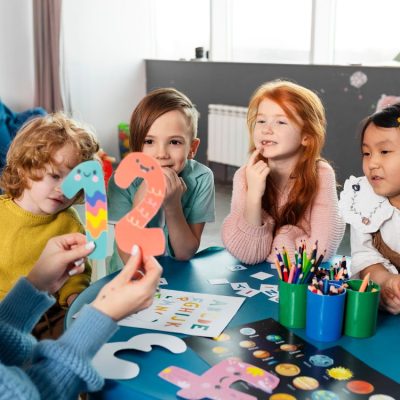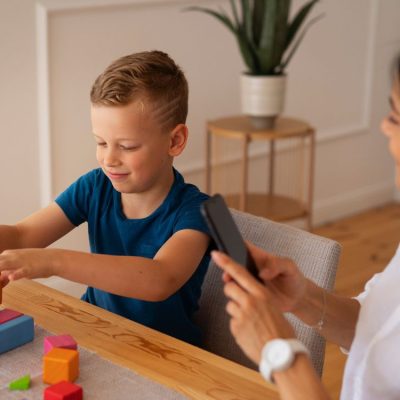
Starting preschool or daycare is an exciting milestone for young children, but it can also come with new challenges—one of the biggest being making friends. For many kids, this is the first time they step into a social environment outside their home, filled with unfamiliar faces, routines, and expectations. As a parent, it’s natural to wonder whether your child will make friends easily, communicate confidently, and feel comfortable in a group setting.
The good news is that friendship-building is a skill, just like walking or reading. With the right guidance, encouragement, and environment, children learn how to connect, share, cooperate, and develop strong social bonds. This blog explores practical, simple ways you can support your child in forming meaningful friendships in preschool and daycare.
Why Friendships Matter in Early Childhood
Friendships during the respchool years play a major role in shaping a child’s emotional, social, and cognitive development. When kids make friends, they learn important life skills such as:
- Sharing and cooperation – understanding how to take turns and work together
• Empathy – recognising how others feel and responding with kindness
• Communication – expressing their thoughts clearly and confidently
• Confidence-building – feeling secure and valued in a group
• Problem-solving – resolving small disagreements or misunderstandings
These early friendships help children feel safer, happier, and more comfortable in their learning environment. They also create a sense of belonging, which supports better focus and overall well-being.
Understand Your Child’s Social Style
Every child has a unique personality. Some are naturally outgoing and talkative, while others prefer observing before joining in. Understanding your child’s temperament helps you support them better.
- The Outgoing Child
These children jump into activities quickly, approach others with ease, and may make friends fast. They usually need guidance on sharing, taking turns, and listening.
- The Shy or Reserved Child
Shy children take longer to warm up. They might prefer one-on-one interactions or smaller groups. They thrive when gently encouraged and given time.
- The Sensitive Child
These kids feel emotions deeply and may get easily overwhelmed. They benefit from predictable routines, emotional reassurance, and calm social environments.
- The Independent Child
They enjoy playing alone and may not seek out friendships immediately. With time and the right activities, they learn to enjoy collaborative play.
Recognising your child’s style helps you guide them without pressure, ensuring their social growth feels natural and comfortable.
How Parents Can Help Their Child Make Friends
1. Encourage Playdates Before Preschool Starts
If possible, arrange short meetups with children of the same age—neighbors, cousins, or family friends. These small interactions help your child practice sharing, communicating, and playing cooperatively.
Short 30–45 minute playdates work best for toddlers and preschoolers.
2. Teach Basic Social Skills Through Everyday Moments
Social skills don’t need formal lessons. Use daily conversations to teach simple habits:
- “Say hello when someone greets you.”
- “Ask if you can join the game.”
- “Let’s practice sharing your toys.”
- “Use kind words when you talk to friends.”
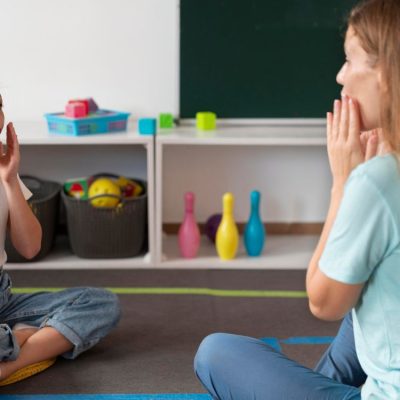
Role-playing also works wonderfully. Pretend to be another child and let your child practise saying things like, “Can I play with you?” or “Let’s build together.”
3. Model Friendly Behaviour
Children copy what they see. Whenever you interact with neighbors, shopkeepers, or relatives, show warm, positive communication. Smile, greet politely, and use gentle words—your child will naturally mirror this behaviour in daycare.
4. Talk Positively About School and Friends
Create excitement around daycare by talking about the fun activities, toys, and new friends they will meet. When children feel confident and safe, they open up socially.
Avoid statements like, “Don’t be shy,” which may make them anxious. Instead say, “Take your time, and you’ll make friends soon.”
5. Practice Sharing and Turn-Taking at Home
Most early friendships form through shared play. Practising at home reduces conflicts at school. Simple games like passing the ball, turn-taking board games, or sharing snacks help reinforce these skills in a fun way.
6. Register Your Child for Group Activities
Activities like art classes, dance, storytelling groups, or sports introduce your child to cooperative play in a comfortable setting. These experiences build confidence and help children interact naturally with peers.
7. Communicate with Teachers Regularly
Teachers observe your child’s social behaviour closely. They can tell you whether your child prefers independent play, feels shy, or interacts easily. Share information about your child’s personality so teachers can support them better.
If your child struggles, teachers can gently pair them with kids who have similar temperaments or interests.
How Daycare and Preschool Support Social Growth
Daycare centers play a major role in helping children make friends. They create environments where kids feel secure, welcomed, and engaged. Typical ways they encourage friendships include:
- Structured Group Activities
Circle time, music sessions, and storytelling encourage children to participate together and connect.
- Free Play Sessions
Kids choose what they want to play, allowing natural friendships to form based on shared interests—building blocks, kitchen sets, puzzles, or crafts.
- Small Group Learning
Teachers divide kids into small groups, making it easier for quieter children to interact.
- Role-Play and Pretend Play
Pretend play encourages cooperation, imagination, and communication—essential elements of bonding.
- Conflict Resolution Support
Teachers guide children through disagreements, helping them learn how to express feelings and resolve small conflicts respectfully.
How to Help a Child Who Finds It Hard to Make Friends
Some kids take longer to settle socially, and that’s perfectly normal. Here are ways to gently support them:
- Acknowledge Their Feelings
Say things like, “It’s okay to feel nervous,” or “Making friends takes time.” This builds emotional security.
- Don’t Force Social Interaction
Pushing too hard can overwhelm children. Instead, encourage gradual steps—smiling, waving, or sitting near peers during play.
- Celebrate Small Wins
If your child said hello, played beside someone, or shared a toy—praise them. Small encouragement builds confidence.
- Find Activities They Enjoy
Kids connect faster when they engage in activities they love—drawing, music, puzzles, or outdoor games.
- Talk About Their Day
Ask open-ended questions like:
“Who did you play with today?”
“What games did you enjoy?”
This helps you understand their comfort level and progress.
When to Seek Extra Support
If your child consistently avoids interaction, becomes overly anxious, or shows extreme discomfort in social settings even after months, consider speaking with their teacher or a child behavior expert. Early support can make a big difference.
Final Thoughts
Helping your child make friends in preschool and daycare is a gradual process that requires patience, encouragement, and understanding. Every child develops social skills at their own pace, and with gentle guidance, they eventually learn how to communicate, share, and build warm friendships.
Your role is to support them, celebrate small steps, and create opportunities to grow socially. With time, you’ll see your child becoming more confident, cooperative, and connected—and enjoying their school journey with new buddies by their side.
Don’t miss: Daycare Meal Ideas: Healthy and Nutritious Snacks for Kids