
Teaching children the value of sharing is one of the most meaningful lessons during the preschool years. While it may seem like a small act, sharing builds the foundation for kindness, empathy, and positive social interactions. Preschool is the perfect stage to nurture this habit, as children are beginning to explore relationships and understand the needs of others.
Why Sharing Matters in Early Childhood
Builds Social Bonds
Sharing teaches children how to connect with peers. When a preschooler shares toys, books, or snacks, they learn cooperation and strengthen friendships. This sense of bonding contributes to a positive classroom and home environment.
Encourages Empathy
When children share, they begin to recognize the feelings of others. They develop empathy by realizing that just as they enjoy playing with something, another child might enjoy it too.
Promotes Problem-Solving
Sharing isn’t always easy, and conflicts may arise. These moments become opportunities for children to negotiate, wait patiently, and find fair solutions-essential life skills they’ll carry into adulthood.
Challenges Preschoolers Face with Sharing
It’s important to remember that reluctance to share is normal. At this age, children are still developing their sense of identity and ownership. Toys and belongings often feel like extensions of themselves, which makes letting go difficult. Instead of expecting perfect behavior, parents and teachers should see challenges as opportunities for gentle guidance.
How to Encourage Sharing in Preschoolers
- Model Sharing Behavior
Children learn best by observing adults. Demonstrate sharing in everyday situations-whether it’s passing food at the dinner table, lending an item, or helping a friend. Narrate the act, for example: “I’m sharing my book with you because I know you’ll enjoy it too.”
- Use Playtime as Practice
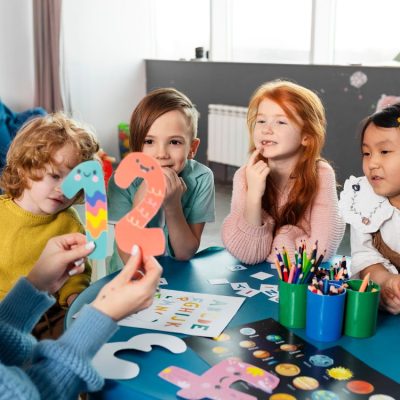
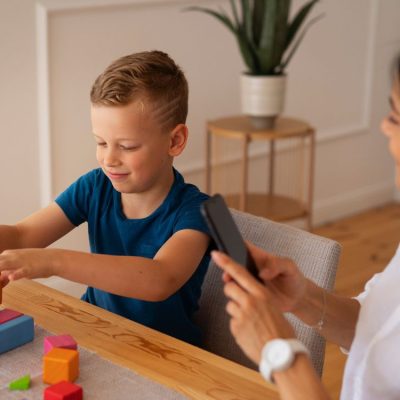
Playdates and group activities provide natural opportunities for sharing. Encourage children to take turns with toys and games. Cooperative play, like building blocks together or painting a large picture, makes sharing enjoyable and rewarding.
- Praise and Acknowledge Efforts
Positive reinforcement goes a long way. A simple, “I love how you shared your toy with your friend,” builds confidence and motivates children to repeat the behavior.
- Teach Through Stories and Role-Play
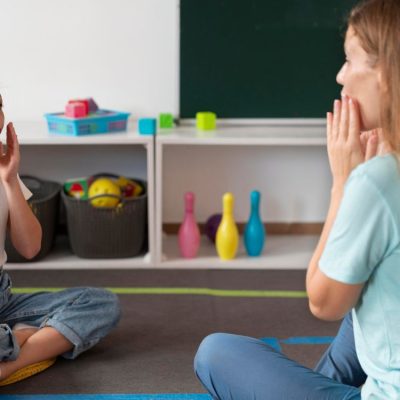
Books and stories about sharing can make lessons more relatable. Role-playing scenarios, such as pretending to host a tea party or running a shop, give preschoolers fun, hands-on experiences in sharing.
- Create Fair Rules at Home and School
Consistency helps children understand expectations. Simple rules like “Everyone gets a turn” or “We share toys during playtime” teach fairness and reduce conflicts.
- Encourage Empathy with Gentle Reminders
When children hesitate to share, gently remind them how others may feel. Saying, “Your friend would love a turn too. How about we give them a chance?” teaches consideration without forcing compliance.
The Long-Term Benefits of Teaching Sharing
When nurtured in early childhood, sharing becomes a lifelong skill. Children who learn to share grow into empathetic, cooperative, and socially adaptable individuals. These qualities not only help them build lasting friendships but also prepare them for teamwork, leadership, and community involvement later in life.
TechSix – Preschool & Daycare Excellence
TechSix – Preschool & Daycare Excellence fosters a nurturing environment where young minds grow through innovative learning and creative exploration. Beyond academics, TechSix encourages hands-on activities like DIY craft ideas for preschoolers to boost creativity, enhance fine motor skills, and inspire self-expression. Engaging in fun, simple crafts helps children develop problem-solving abilities while making learning enjoyable.
Preschool Admissions are now open for the 2025-26 Academic Session!!
Final Thoughts
Encouraging preschoolers to share is not about strict rules-it’s about creating experiences that foster kindness and understanding. Through role modeling, positive reinforcement, and playful practice, parents and teachers can nurture a spirit of generosity that will serve children well throughout their lives. By making sharing a natural part of daily life, we raise compassionate individuals ready to contribute positively to the world around them.
Don’t Miss: Simple Sensory Play Activities to Enhance Learning at Home