
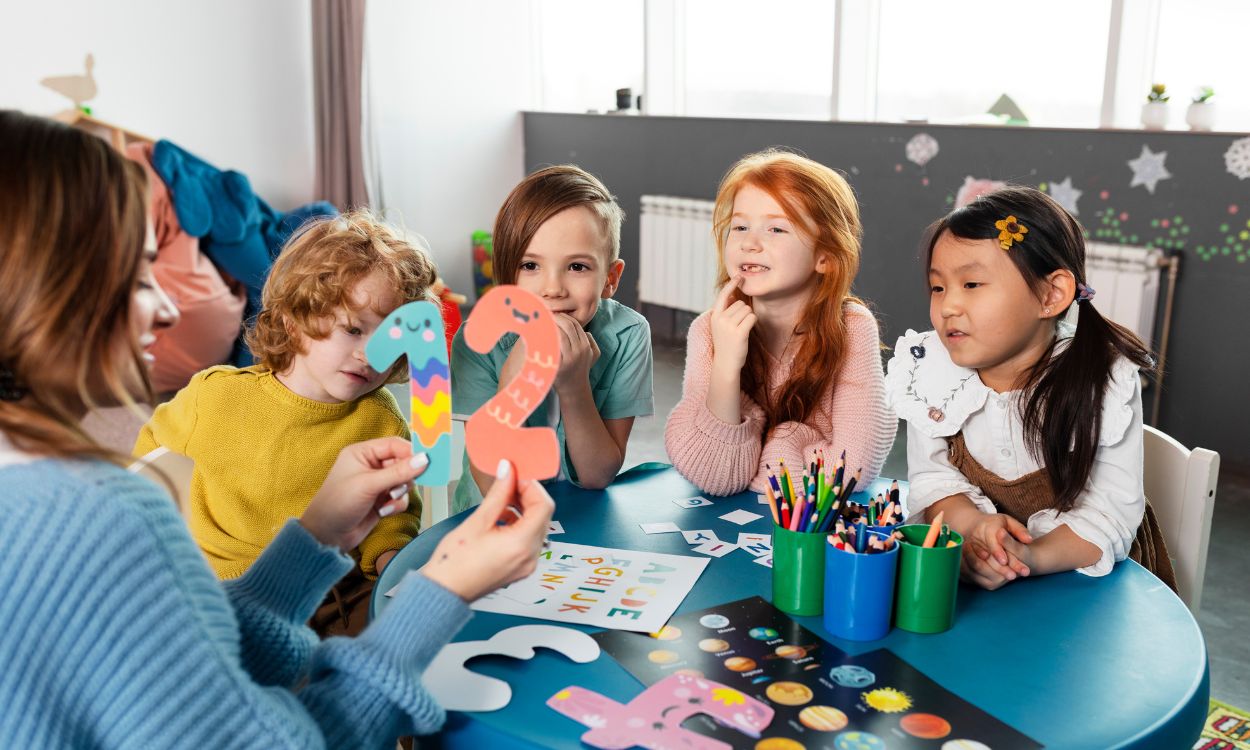
Choosing the right play school in Gurgaon is one of the most important decisions parents make during their child’s early years. While infrastructure, curriculum, and safety measures often receive attention, one critical factor is sometimes overlooked the teacher-to-child ratio. This single element plays a powerful role in shaping how children learn, interact, and feel in their first educational environment. In a city like Gurgaon, where parents have many options, understanding why teacher-to-child ratio matters can help you make an informed and confident decision for your child’s future. Understanding Teacher-to-Child Ratio The teacher-to-child ratio refers to the number of children assigned to one teacher or caregiver in a classroom. For example, a ratio of 1:8 means one teacher is responsible for eight children. This ratio is especially important in play schools because young children need constant supervision, emotional support, and guidance. Unlike older students, they cannot independently manage learning activities or express all their needs clearly. The right ratio ensures that each child receives adequate attention throughout the day. Why Teacher-to-Child Ratio Is Crucial in Early Education Individual Attention for Every Child Every child develops at a different pace. Some children grasp concepts quickly, while others need more time and encouragement. A low teacher-to-child ratio allows educators to observe each child closely and support their unique learning needs. In a crowded classroom, teachers may struggle to notice subtle signs such as hesitation, confusion, or emotional discomfort. Smaller group sizes help teachers adjust activities and teaching styles so that no child feels ignored or left behind. Stronger Emotional Security This transition can be emotionally challenging. When teachers manage fewer children, they are better able to build trust, offer comfort, and respond sensitively to emotions like fear, anxiety, or homesickness. Children who feel emotionally secure are more confident, more willing to explore, and more open to learning. This emotional foundation is essential for long-term academic and social success. Better Safety and Supervision Young children are active, curious, and often unaware of potential dangers. From classroom activities to outdoor play, proper supervision is necessary at all times. A balanced teacher-to-child ratio ensures that teachers can closely monitor children and respond immediately if something goes wrong. In busy classrooms with high ratios, supervision becomes difficult, increasing the chances of accidents or unnoticed conflicts. For parents in Gurgaon seeking a safe play school environment, this factor should never be compromised. Improved Learning Experiences Play-based learning requires active participation, interaction, and guidance. When teachers are responsible for fewer children, they can engage more effectively during storytelling, art activities, music sessions, and group games. Teachers can ask questions, encourage creativity, and support hands-on learning without rushing. This leads to richer educational experiences that help children develop cognitive, language, and problem-solving skills naturally. Effective Behaviour Guidance Early childhood is the stage where children learn basic social rules such as sharing, waiting for turns, and expressing emotions appropriately. Managing behaviour requires patience and consistent guidance. With a manageable number of children, teachers can address behavioural challenges calmly and positively. They can guide children through conflicts, explain consequences, and reinforce good behaviour. This creates a peaceful classroom environment where children feel understood rather than disciplined harshly. Teacher-to-Child Ratio and Social Development Social skills are not learned from books; they are developed through interaction. In smaller groups, children have more meaningful interactions with both teachers and peers. Teachers can guide children in forming friendships, resolving disagreements, and learning cooperation. Children also feel more comfortable expressing themselves in smaller groups, which builds confidence and communication skills. Impact on Language and Communication Skills Language development is one of the most important outcomes of early education. Children need frequent opportunities to speak, listen, and engage in conversation. When teacher-to-child ratios are low, teachers can encourage children to share ideas, ask questions, and participate in discussions. They can correct pronunciation gently, introduce new vocabulary, and respond thoughtfully to each child. This level of interaction significantly strengthens language skills during the early years. Supporting Cognitive and Motor Development Early childhood learning is deeply connected to movement and exploration. Activities such as puzzles, drawing, building blocks, and physical play help develop both cognitive and motor skills. Teachers with fewer children can observe how each child interacts with activities and provide guidance where needed. They can challenge children appropriately, helping them grow without pressure or frustration. What Parents Should Look for in Gurgaon Play Schools When visiting play schools in Gurgaon, parents should ask clear questions about classroom ratios. It is also important to observe how teachers interact with children during daily activities. Look for signs such as teachers listening attentively, children appearing calm and engaged, and smooth transitions between activities. These are strong indicators that the teacher-to-child ratio is well managed. Parents should also ask whether the ratio is maintained during outdoor play, special activities, and busy hours of the day. Long-Term Benefits of the Right Teacher-to-Child Ratio Children who experience attentive early education often show better confidence, stronger social skills, and smoother transitions into formal schooling. They are more comfortable asking questions, working in groups, and adapting to new environments. The benefits of the right teacher-to-child ratio extend beyond the play school years. They influence a child’s attitude toward learning, relationships, and self-expression well into the future. Conclusion The teacher-to-child ratio is not just a number it is a reflection of the quality of care and education your child will receive every day. In a growing city like Gurgaon, where early education options are abundant, this factor plays a key role in distinguishing truly child-centric play schools. A well-balanced ratio ensures personalized attention, emotional security, better learning outcomes, and a safe environment. When selecting a play school, parents should prioritize this aspect as much as curriculum and infrastructure. The right start in life begins with the right support. Choosing a play school with an appropriate teacher-to-child ratio gives your child the strong foundation they deserve for lifelong learning and growth. Related: Why TechSix Is a Trusted Preschool in Gurgaon for Early Learning
Occupational Therapy for Kids in Gurgaon: A Complete Guide
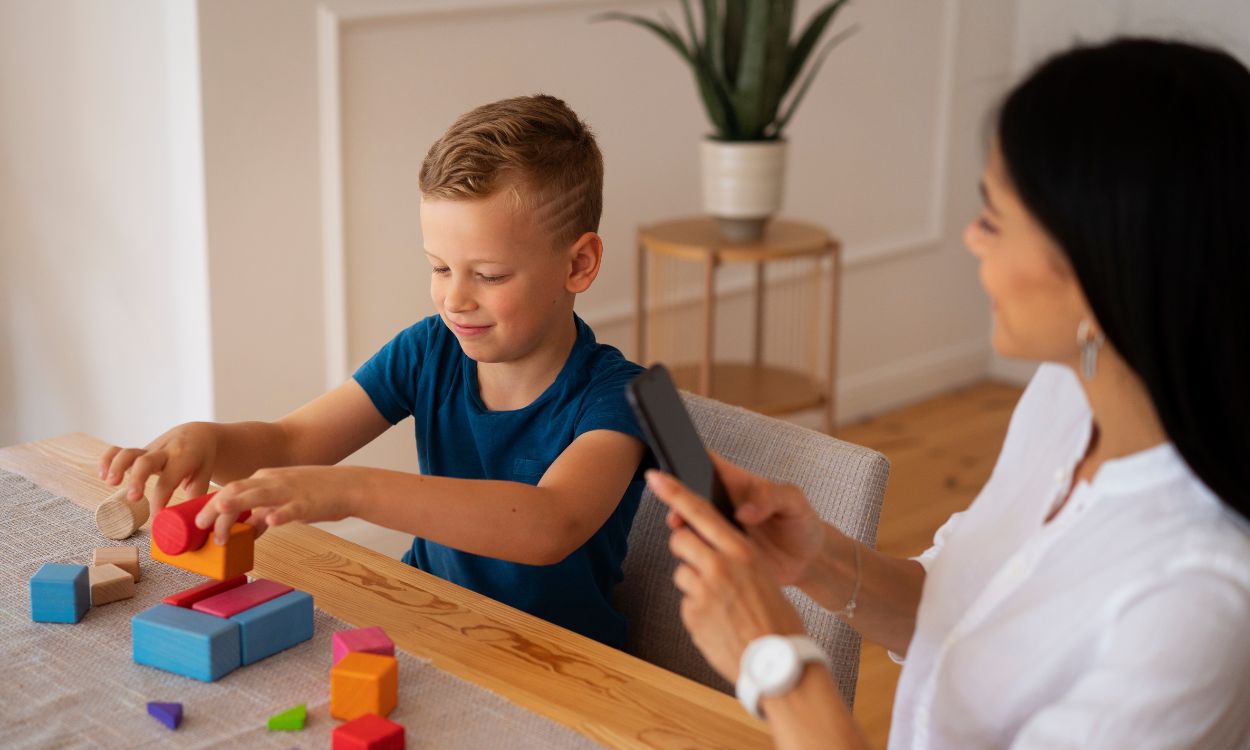
Each child follows their own developmental and learning journey. While some children naturally develop daily life skills, others may need extra support to become more confident and independent. This is where occupational therapy for kids in Gurgaon plays an important role. For parents in Gurgaon, understanding how occupational therapy works can make a big difference in a child’s overall development. This guide will help you understand what occupational therapy is, who needs it, how it helps, and what to expect when starting occupational therapy for your child in Gurgaon. 1. What Is Occupational Therapy for Children? Occupational therapy for kids focuses on helping children perform everyday activities independently and confidently. These activities include things like dressing, eating, writing, playing, focusing in class, and interacting with others. The goal of occupational therapy is not just therapy sessions—it’s helping children function better in their daily life, whether at home, school, or in social settings. 2. Which Children Can Benefit from Occupational Therapy? Occupational therapy can support children facing different developmental challenges. It is commonly helpful for children who have: Poor hand-eye coordination Sensory processing difficulties (overreacting or underreacting to sounds, touch, or movement) Delayed developmental milestones Attention and concentration challenges Difficulty with self-care activities Learning difficulties Behavioral or emotional regulation issues Early support can greatly improve a child’s confidence and ability to manage daily tasks. 3. Common Areas Occupational Therapy Helps With Fine Motor Skills OT helps improve hand strength and coordination needed for writing, drawing, cutting, and buttoning clothes. Sensory Processing Some children feel overwhelmed by noise, textures, or movement. Occupational therapy helps them respond calmly and appropriately to sensory input. Daily Living Skills Skills like eating independently, brushing teeth, tying shoelaces, and dressing are practiced during therapy. Attention and Focus Through structured activities, therapists help children improve concentration and task completion. Emotional Regulation Occupational therapy teaches children how to manage frustration, anxiety, and emotional outbursts in healthy ways. 4. What Happens During an Occupational Therapy Session? Each child’s therapy plan is personalized. Sessions are usually play-based so children feel comfortable and motivated. A typical session may include: Fun activities to strengthen hands and fingers Balance and coordination games Sensory play using swings, textures, or movement Activities to improve focus and problem-solving Guidance for parents on how to continue exercises at home The therapist continuously observes progress and adjusts activities based on the child’s needs. 5. How Occupational Therapy Supports School Performance Many children struggle in school not because they lack intelligence, but because they find it hard to sit still, write neatly, or follow instructions. Occupational therapy helps children develop skills that directly impact classroom learning, such as posture, attention, writing skills, and self-confidence. This support can make school less stressful and more enjoyable for children. 6. Why Early Intervention Matters The earlier a child receives occupational therapy, the better the outcomes. Young children’s brains are highly adaptable, making it easier to build essential skills early. Early therapy can reduce future academic and social challenges and help children become more independent as they grow. 7. How to Choose the Right Occupational Therapy Center in Gurgaon When selecting an occupational therapy provider for your child, look for: Qualified and experienced pediatric occupational therapists A child-friendly and safe environment Individualized therapy plans Clear communication with parents Regular progress updates A good therapist works closely with parents and teachers to ensure consistent support across environments. 8. How Parents Can Support Therapy at Home Parental involvement plays a key role in therapy success. Simple daily activities like drawing, playing with blocks, dressing independently, and following routines can reinforce therapy goals. Therapists often share easy exercises that fit naturally into everyday life. Final Thoughts Occupational therapy is a powerful tool that helps children build independence, confidence, and essential life skills. For families in Gurgaon, access to quality occupational therapy can positively shape a child’s future academically, socially, and emotionally. If your child is facing challenges in daily activities or development, occupational therapy can provide the right guidance and support at the right time. With patience, consistency, and professional care, every child can reach their full potential. Don’t miss: How to Choose the Right Child Therapy Center in Gurgaon
How to Choose the Right Child Therapy Center in Gurgaon
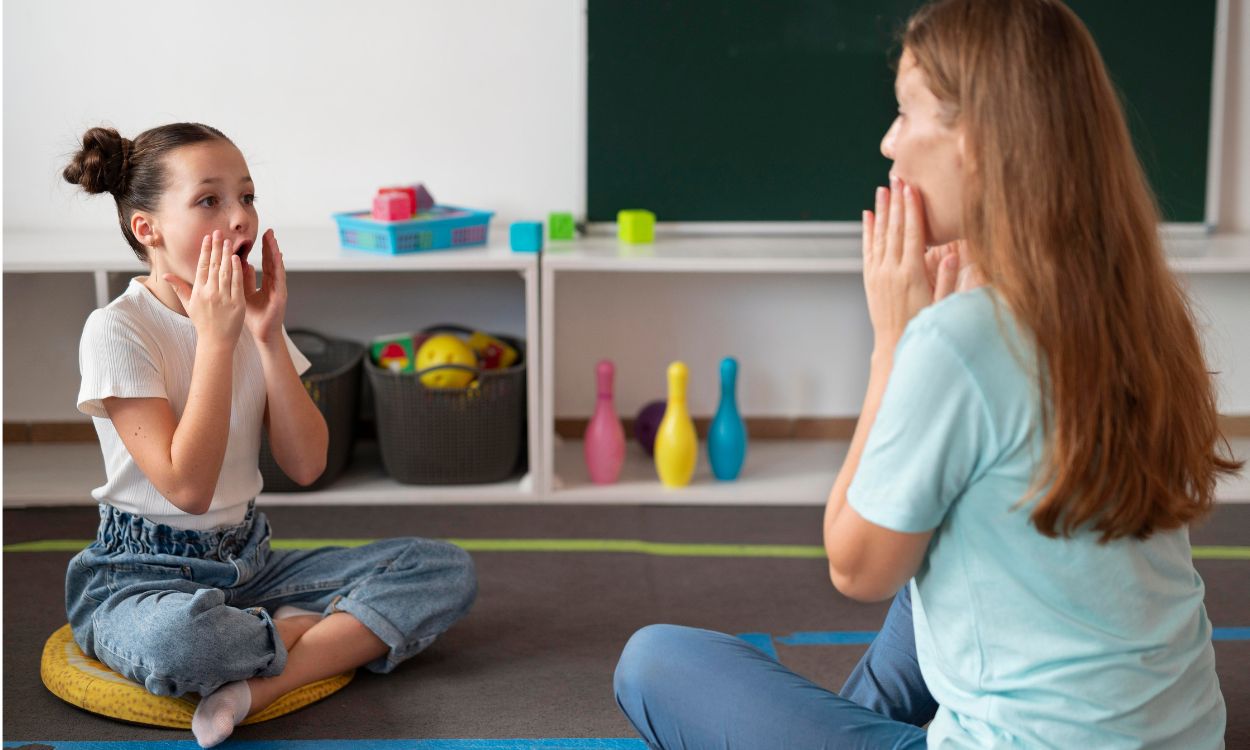
Every child grows and develops in their own unique way. While some children pick up skills quickly, others may need a little extra support along the way. As a parent, noticing developmental, emotional, or behavioural challenges in your child can be worrying. However, choosing the right child therapy center in Gurgaon can make a big positive difference in your child’s growth and confidence. With so many therapy centers available today, it can be difficult to know which one is best for your child. This guide will help you understand what to look for, what questions to ask, and how to make an informed decision that feels right for both you and your child. 1. Identify Your Child’s Therapy Needs The first step in choosing a child therapy center is understanding your child’s specific needs. Different children require different types of support, and not every center offers all therapies. Common reasons parents seek child therapy include: Speech and language delays Autism spectrum concerns ADHD and attention difficulties Learning challenges Emotional or behavioural issues Social skill development Some centers specialise in speech therapy, while others focus on occupational therapy, behavioural therapy, or child counselling. Knowing your child’s needs will help you shortlist the most suitable child therapy center in Gurgaon. 2. Check the Qualifications and Experience of Therapists The quality of therapy largely depends on the skills and experience of the therapists. A reliable child therapy center should have trained professionals such as child psychologists, speech therapists, occupational therapists, or special educators. When visiting or contacting a center, ask about: Educational qualifications and certifications Experience working with children of similar age groups Experience handling conditions similar to your child’s needs Therapists should not only be qualified but also patient, compassionate, and skilled at building trust with children. 3. Look for a Safe and Child-Friendly Environment Children feel more comfortable and open to learning in spaces designed especially for them. The therapy environment plays a big role in how effective sessions will be. A good child therapy center in Gurgaon should offer: Clean and hygienic therapy rooms Safe furniture and age-appropriate equipment A calm, welcoming atmosphere Toys, games, and learning tools suitable for children A child-friendly environment helps children feel relaxed, motivated, and confident during therapy sessions. 4. Ask About Assessment and Personalised Therapy Plans Every child is different, so therapy should never follow a one-size-fits-all approach. The right therapy center will begin with a proper assessment before starting treatment. Ask the center: How is the initial assessment done? Is the therapy plan customised for each child? How often is progress reviewed? Personalised therapy plans ensure that sessions focus on your child’s strengths while gently working on areas that need improvement. 5. Importance of Parental Involvement Successful child therapy is a team effort that includes therapists, parents, and sometimes teachers. A trustworthy child therapy center will encourage parents to be involved in the process. Look for a center that: Shares regular progress updates Explains therapy goals in simple language Guides parents on activities that can be done at home Is open to answering questions and concerns When parents understand the therapy process, they can support their child better outside the therapy room. 6. Check Reviews, Testimonials, and Reputation Online reviews can give you a good idea about the quality of a therapy center. Search for the child therapy center in Gurgaon on Google and read genuine parent reviews. Pay attention to feedback about: Behaviour and attitude of therapists Improvement seen in children Communication with parents Overall experience You can also ask for recommendations from paediatricians, schools, or other parents who have gone through similar experiences. 7. Consider Location and Accessibility Therapy often requires regular sessions over a long period. Choosing a center that is easy to reach can make the process less stressful for both you and your child. Consider: Distance from your home or school Traffic and travel time in Gurgaon Availability of parking or public transport Flexible appointment timings A conveniently located child therapy center helps ensure consistency, which is key to successful therapy outcomes. 8. Understand Fees and Therapy Structure Clearly A reliable therapy center will be transparent about fees, session duration, and therapy frequency. Before enrolling your child, make sure you understand: Cost per session Monthly packages or payment plans Cancellation or rescheduling policies Expected length of therapy Clear communication about costs builds trust and avoids confusion later on. 9. Observe How Therapists Interact With Your Child During your first visit, observe how the therapist interacts with your child. Children respond best to therapists who are calm, friendly, and encouraging. Positive signs include: The therapist speaks gently and clearly Your child feels comfortable and engaged The therapist listens to your concerns patiently Your child’s comfort level is a strong indicator of whether the therapy center is the right fit. 10. Trust Your Parental Instincts Finally, trust your instincts as a parent. After visiting a child therapy center in Gurgaon, ask yourself: Do I feel confident about the care my child will receive? Does the center genuinely care about my child’s well-being? Do I feel comfortable communicating with the therapists? Professional expertise is important, but emotional comfort and trust matter just as much. Final Thoughts Choosing the right child therapy center in Gurgaon is an important step toward supporting your child’s emotional, social, and developmental growth. By focusing on qualified therapists, personalised care, parental involvement, and a nurturing environment, you can make a well-informed decision. Remember, seeking therapy is a positive step, not a setback. With the right guidance and support, children can overcome challenges, build confidence, and reach their full potential. Also Read: Teacher-to-Child Ratio: Why It Matters in a Play School in Gurgaon
Preschool Curriculum in Gurgaon: What Your Child Learns in Early Years
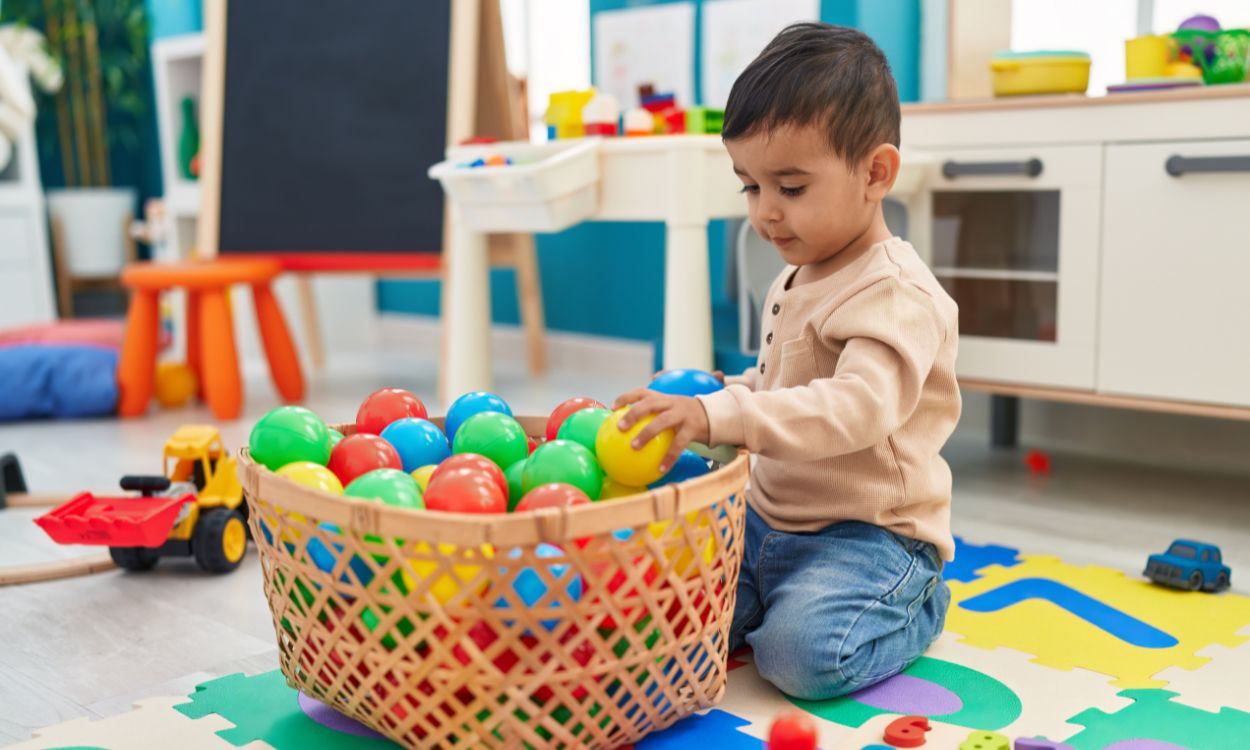
The early years of a child’s life are a critical period for brain development, emotional growth, and social learning. In a fast-growing city like Gurgaon, parents are increasingly aware that preschool education is not just about playtime it lays the foundation for lifelong learning. A well-designed preschool curriculum helps children develop essential skills while nurturing curiosity, confidence, and creativity. Understanding what your child actually learns in best preschool in gurgaon can help you make informed decisions and feel confident about their early education journey. Let’s explore how a structured preschool curriculum in Gurgaon supports holistic development during these formative years. The Purpose of a Preschool Curriculum A preschool curriculum is thoughtfully designed to support a child’s overall development rather than focusing only on academics. The goal is to create a balanced learning environment where children grow intellectually, socially, emotionally, and physically. In Gurgaon, modern preschools follow age-appropriate learning frameworks that encourage exploration, hands-on activities, and meaningful interactions. The emphasis is on learning through play, routine, and guided experiences that feel natural and enjoyable for young learners. Language and Communication Skills One of the primary focus areas of a preschool curriculum is language development. During early years, children learn to express themselves, understand instructions, and build vocabulary. Preschool learning includes: Listening to stories and rhymes Recognizing sounds and basic phonics Learning new words through conversations and activities Developing early speaking and comprehension skills Through storytelling, show-and-tell, role play, and interactive discussions, children gain confidence in communication. These skills form the base for reading, writing, and effective expression in later academic stages. Early Literacy and Pre-Reading Skills Preschools in Gurgaon introduce literacy gently without pressure. Instead of formal reading, children are exposed to letters, sounds, and books in a fun and engaging way. Key learning outcomes include: Identifying alphabets Understanding letter sounds Recognizing words through pictures Holding books correctly and turning pages This early exposure builds familiarity with written language and prepares children for formal reading in primary school. Introduction to Numbers and Logical Thinking Early numeracy is another essential part of the preschool curriculum. Rather than rote learning, children are introduced to numbers through real-life experiences and playful activities. Children learn: Number recognition and counting Sorting and matching objects Understanding shapes, sizes, and patterns Basic problem-solving skills Using toys, puzzles, blocks, and everyday examples helps children develop logical thinking and mathematical awareness naturally. Social and Emotional Development Preschool plays a vital role in shaping a child’s social and emotional skills. For many children, it is their first experience in a group setting outside home. The curriculum encourages: Sharing and cooperation Understanding emotions Building friendships Learning empathy and respect Daily interactions with peers and teachers help children manage emotions, develop patience, and gain independence. These skills are crucial for personal growth and future classroom success. Physical Development and Motor Skills Physical activity is an integral part of early childhood education. Preschools in Gurgaon include structured and free-play activities that promote both fine and gross motor development. Children engage in: Running, jumping, and balancing activities Art and craft using scissors, crayons, and clay Music and movement sessions Outdoor and indoor play These activities strengthen muscles, improve coordination, and support healthy physical growth. Creative Expression and Imagination Creativity is at the heart of a quality preschool curriculum. Children are encouraged to explore their imagination without fear of right or wrong answers. Creative learning includes: Drawing, painting, and crafting Singing and dancing Pretend play and storytelling Exploring colors, textures, and sounds Such experiences help children express themselves freely, boost confidence, and develop innovative thinking skills. Cognitive and Life Skills Development Beyond academics, preschool education focuses on developing essential life skills. These skills help children become independent, responsible, and adaptable. Children gradually learn: Following routines and instructions Making simple choices Taking care of personal belongings Developing attention and focus These everyday skills prepare children for structured school environments and real-life situations. Sensory Learning Experiences Sensory activities are a core part of early learning programs in Gurgaon. By engaging the senses, children develop stronger cognitive connections and deeper understanding. Sensory learning may involve: Water and sand play Texture exploration Sound and music activities Smell and taste-based learning These experiences support brain development and help children process information more effectively. Moral Values and Cultural Awareness Many preschools incorporate value-based learning into their curriculum. Children are introduced to basic moral values in simple, relatable ways. This includes: Learning kindness and honesty Understanding right and wrong Respecting elders and peers Celebrating festivals and cultural events Such lessons help shape character and instill positive values from an early age. Preparing Children for Formal Schooling The ultimate aim of a preschool curriculum is to prepare children for the transition to formal schooling without stress or anxiety. By developing foundational skills, routines, and confidence, children feel ready and excited for the next stage of learning. Preschools in Gurgaon focus on school readiness by: Encouraging independence Improving attention span Building early academic familiarity Promoting emotional resilience This ensures children step into primary school with enthusiasm and self-assurance. Why Choosing the Right Preschool Curriculum Matters Every child is unique, and the right curriculum nurtures their strengths while supporting areas of growth. In a competitive and evolving city like Gurgaon, choosing a preschool with a well-rounded curriculum ensures your child receives a strong start. A thoughtful preschool curriculum does more than teach—it inspires curiosity, builds confidence, and lays the groundwork for a lifelong love of learning. Final Thoughts The preschool years are a precious time when children absorb knowledge effortlessly and develop habits that last a lifetime. A comprehensive preschool curriculum in Gurgaon focuses on holistic development by blending academics, creativity, physical activity, and emotional learning. When children learn in a supportive and engaging environment, they don’t just prepare for school—they prepare for life. Choosing the right preschool curriculum means investing in your child’s future, one joyful learning experience at a time. Don’t miss: Why TechSix Is a Trusted Preschool in Gurgaon for Early Learning
Why TechSix Is a Trusted Preschool in Gurgaon for Early Learning
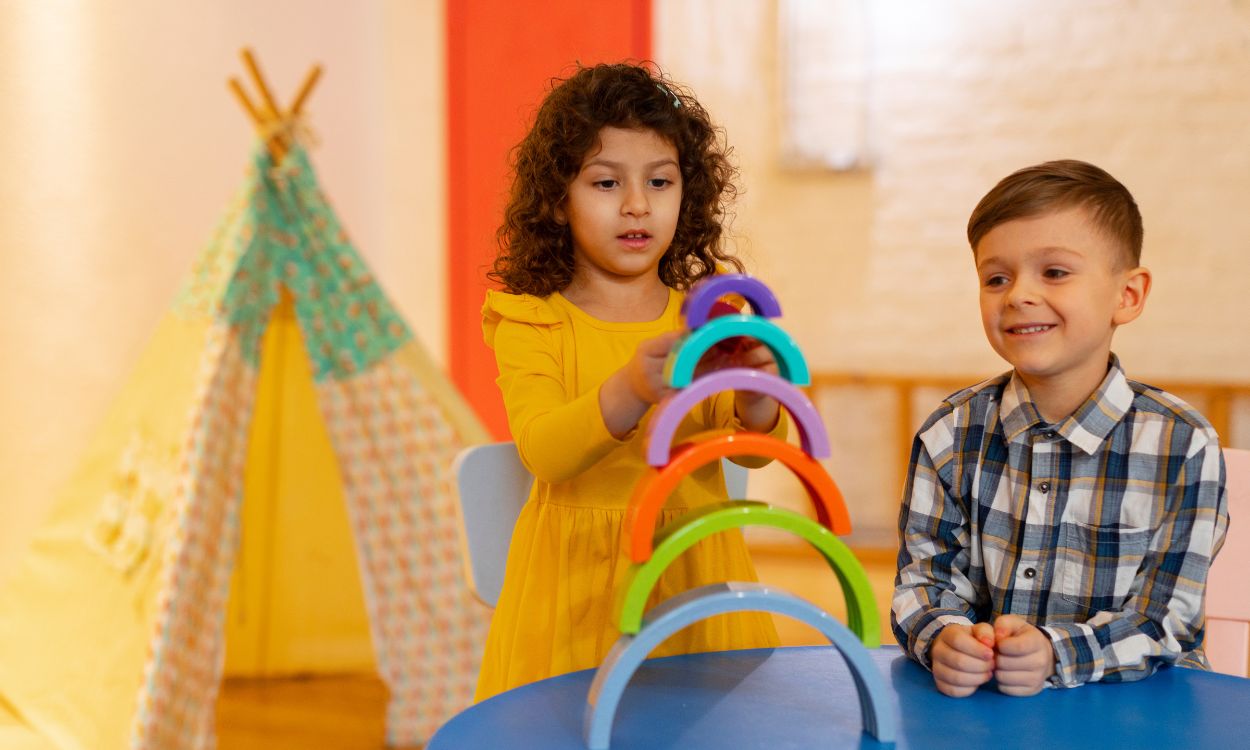
Early childhood is a critical phase in a child’s life. The experiences, habits, and learning patterns formed during these formative years shape their future academic success and emotional well-being. For parents in Gurgaon, choosing the best preschool in gurgaon means finding a place that goes beyond basic education and focuses on nurturing the whole child. This is where TechSix has earned its reputation as a trusted preschool for early learning. With a thoughtful approach to education, a strong focus on child development, and a safe, engaging environment, TechSix stands out as a preschool that truly understands what young learners need. A Strong Foundation for Lifelong Learning At TechSix, early education is not about rushing children into academics. Instead, the focus is on building a strong foundation that supports curiosity, confidence, and independence. The preschool believes that when children feel secure and motivated, learning becomes natural and enjoyable. The learning approach encourages children to explore, ask questions, and discover concepts at their own pace. This reduces pressure and allows children to develop a genuine interest in learning an essential quality that stays with them throughout life. Montessori-Inspired Learning Approach One of the key reasons parents trust TechSix is its Montessori-based learning philosophy. This approach respects each child’s individuality and recognizes that no two children learn in the same way or at the same speed. Rather than following a rigid teaching structure, children are guided through hands-on activities that develop practical life skills, language abilities, early mathematics understanding, and sensory awareness. Learning materials are carefully chosen to help children understand concepts through experience rather than memorization. This method helps children become confident decision-makers, improves concentration, and encourages independence—skills that are valuable both inside and outside the classroom. Balanced Curriculum for Holistic Development TechSix follows a well-structured curriculum designed to support all aspects of child development. Academic learning is balanced with creative, physical, and emotional growth to ensure children develop holistically. Key focus areas include: Language and communication skills through storytelling, phonics, conversations, and group activities Early numeracy and problem-solving skills using interactive games and hands-on materials Social and emotional development by encouraging teamwork, sharing, empathy, and self-expression Creative development through art, music, dance, and imaginative play Physical development with movement-based activities that improve coordination and motor skills This balanced approach prepares children not just for school, but for real-world interactions and challenges. Safe, Nurturing, and Child-Friendly Environment A child’s learning environment plays a major role in how they feel about school. TechSix provides a safe, warm, and welcoming space where children feel comfortable and confident. Classrooms are designed to be bright, engaging, and age-appropriate. Safety measures, clean facilities, and child-friendly infrastructure give parents peace of mind while allowing children to explore freely. The environment encourages positive behavior, independence, and curiosity—helping children build trust and emotional security from day one. Experienced and Compassionate Educators Behind every successful preschool is a team of dedicated educators, and TechSix places great importance on its teachers. The educators are trained in early childhood education and understand how young minds grow and learn. Teachers focus on observing each child closely, identifying their strengths, and providing personalized support. With smaller group sizes, children receive individual attention, making it easier to address learning needs and emotional development. The caring attitude of the educators helps children feel valued, heard, and respected—creating a strong bond between teachers and students. Focus on Emotional and Social Growth Early learning is not just about academics. Emotional intelligence and social skills are equally important, especially during preschool years. TechSix emphasizes helping children develop confidence, self-control, and positive social behavior. Through group activities, role-play, and guided interactions, children learn how to communicate effectively, manage emotions, and build friendships. These experiences help them become emotionally strong and socially adaptable as they grow. Active Parental Involvement TechSix believes that parents are essential partners in a child’s learning journey. Open communication and regular updates help parents stay informed about their child’s progress and development. Parent-teacher interactions create transparency and trust, allowing families to understand learning milestones and support their child at home. This collaborative approach strengthens the overall learning experience and builds long-term confidence among parents. Preparing Children for the Future The ultimate goal of early education is to prepare children for the next stages of life. TechSix ensures that children transition smoothly into primary school by building strong foundational skills, confidence, and independence. Children leave TechSix not only academically prepared but also emotionally resilient, socially aware, and eager to learn qualities that set them up for success in the years ahead. Why Parents Trust TechSix Parents in Gurgaon choose TechSix because it combines quality education with genuine care. Its child-focused philosophy, Montessori-inspired curriculum, experienced educators, and nurturing environment make it a reliable choice for early learning. For families seeking a preschool that values growth, curiosity, and emotional well-being as much as academics, TechSix continues to be a trusted name in early childhood education. Don’t miss: Creating a Stimulating Learning Environment in a Preschool Classroom
Creating a Stimulating Learning Environment in a Preschool Classroom
A preschool classroom is more than just four walls it’s the place where curiosity begins, confidence grows, and early learning takes shape. The environment in which young children spend their time plays a major role in how they think, explore, and interact. A well-designed classroom doesn’t only look appealing; it encourages exploration, independence, creativity, and emotional comfort. Creating a stimulating learning environment means thoughtfully organising physical spaces, choosing the right materials, and fostering a warm atmosphere where every child feels valued. Here’s a detailed guide on how teachers can build an early learning space that supports growth, imagination, and joyful discovery. Design a Welcoming and Comfortable Atmosphere Preschoolers learn best when they feel relaxed and safe. A visually warm, organised, and comfortable setting helps children settle in and explore freely. Soft lighting, clean spaces, colourful displays, and child-level arrangements create an inviting atmosphere. Teachers can add cosy corners with cushions, rugs, and small shelves to create warm nooks. These quiet spots help children unwind and give them personal space when they feel overwhelmed. A comforting classroom atmosphere builds emotional security and encourages participation in learning activities. Use an Effective Layout for Easy Movement A stimulating environment ensures that children can move around freely without feeling restricted. A well-planned layout includes clearly defined areas: reading corner, art station, block area, dramatic play corner, and sensory table. Each learning zone should be structured in a way that guides children naturally. For example, noisy play areas like blocks and pretend play can be placed away from quieter zones like reading and writing. This thoughtful arrangement prevents distractions and helps children focus better. Clear pathways, labelled shelves, and clutter-free flooring make the classroom safe and accessible. When children know where things belong, they build independence and learn to take responsibility for the space. Incorporate Learning Materials That Encourage Exploration Preschool children thrive on curiosity, and hands-on materials encourage them to experiment, ask questions, and solve problems. A stimulating classroom includes a mix of materials such as: Wooden blocks and building sets Art supplies like crayons, pastels, paints, and clay Picture books and story cards Puzzles, matching games, and sorting items Nature items such as leaves, shells, and stones Choose materials that support early literacy, numeracy, sensory development, and fine motor skills. Rotating items every few weeks keeps children excited and prevents boredom. Add Colours and Visual Displays with Purpose Colours can greatly impact a child’s learning experience. Instead of overwhelming the room with loud shades, a balanced combination of bright and soothing colours works best. Neutral backgrounds with pops of primary colour can create a lively yet calming atmosphere. Visual displays should be meaningful showcasing children’s artwork, learning charts, alphabets, shapes, calendars, and class rules. When children see their own work on display, they feel proud and confident. Displays also provide visual reminders that support learning in subtle yet effective ways. Encourage Independent Learning Through Accessibility Preschoolers feel empowered when they can choose activities themselves. Child-sized tables, low-open shelves, clearly labelled baskets, and easy-to-reach supplies give children the freedom to explore. This level of independence helps them develop decision-making skills, responsibility, and self-confidence. Simple labels with pictures support pre-readers and help them understand where items belong. When children can clean up on their own, the classroom stays organised and calm. Integrate Natural Elements for Better Engagement Nature has a calming and inspiring effect on young learners. Adding plants, wooden toys, natural textures, and outdoor-inspired materials creates a more pleasant learning atmosphere. If possible, set up a small nature corner with leaves, stones, flowers, or a mini terrarium. Natural light should be used as much as possible to avoid a dull setting. Outdoor playtime should also be included as an extension of the classroom—promoting exploration, physical development, and creativity. Promote Social Interaction Through Group Areas Preschoolers learn essential social skills when they interact with one another. Group activity areas, circle-time carpets, and shared tables encourage cooperation, communication, and teamwork. Teachers can design activities such as group storytelling, collaborative art projects, or simple team-based games. These strengthen social-emotional learning and help children express themselves confidently. Support Emotional Development with Calm Corners A calm or “peace corner” allows children to step away when they feel overwhelmed. Soft cushions, picture books, stress balls, or sensory bottles help children relax and manage their emotions. This simple addition teaches children self-regulation, empathy, and mindfulness—skills that contribute greatly to emotional intelligence. Blend Structure with Creative Freedom A stimulating classroom balances guided learning with free exploration. Structured activities—like storytelling sessions, craft projects, and group discussions—give children direction. At the same time, free-choice periods help them develop creativity and confidence. The goal is to provide enough structure to support learning while leaving enough freedom for imagination to grow. Make Learning Fun Through Play-Based Activities Play is the heart of preschool education. Educators should design activities that teach concepts in enjoyable and interactive ways. Examples include: Sorting colourful objects to teach numbers Storytelling with puppets for language skills Simple science activities like observing plant growth Dramatic play setups like a bakery, hospital, or market Rhymes, dance, and movement-based learning When learning feels like play, children stay engaged, curious, and eager to participate. Final Thoughts Creating a stimulating preschool classroom is about more than decoration it’s about building an environment where children feel safe, motivated, and inspired to explore. A thoughtful combination of structure, creativity, independence, and emotional warmth helps preschoolers develop important skills that shape their early foundation. With the right environment, every child can discover joy in learning and build confidence that lasts far beyond the preschool years. Don’t miss: Helping Your Child Make Friends in Preschool and Daycare
Building a Strong Bond with Your Preschooler While They Attend Daycare
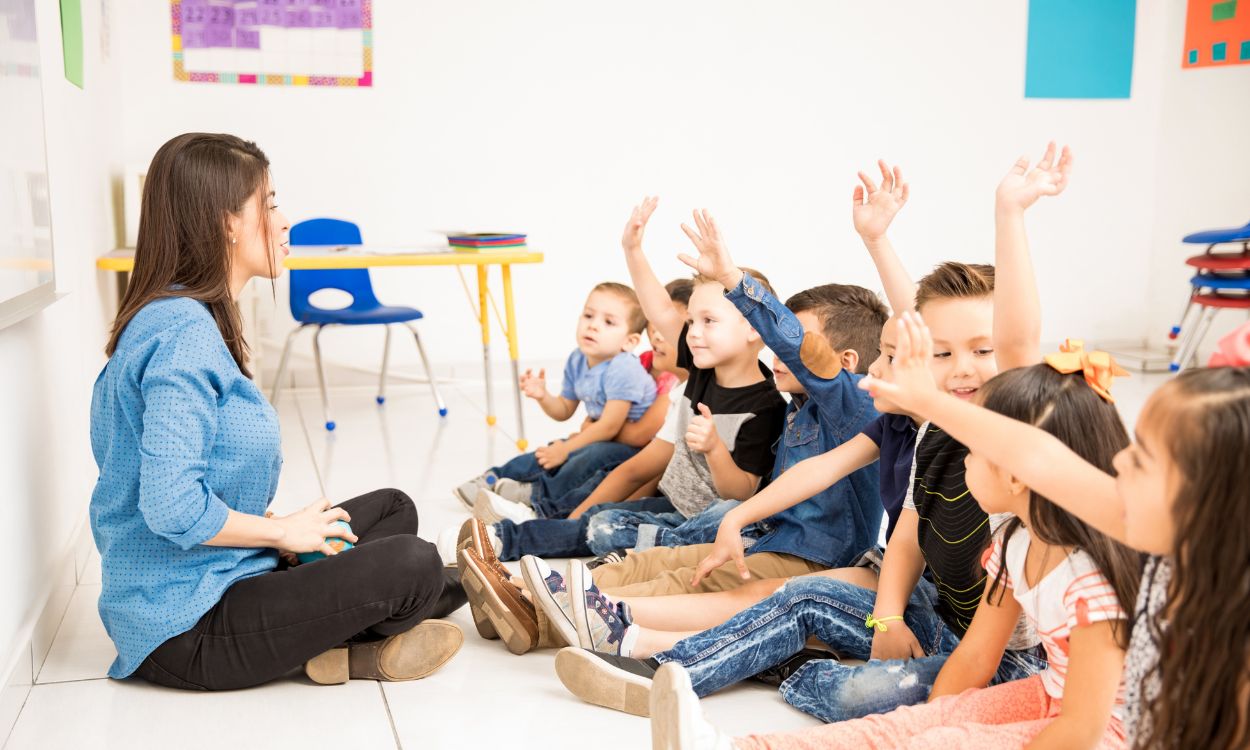
For many parents, sending a preschooler to daycare is a big milestone exciting, practical, and emotional all at once. While daycare supports your child’s learning and independence, it’s natural to wonder whether spending more time away from home will affect your bond. The truth is, you can continue nurturing a warm, secure relationship with your child even as they explore a new environment. What matters most is the quality of time, connection, and communication you build into everyday routines. This blog explores simple, meaningful ways to strengthen your bond with your best preschool in gurgaon while they attend daycare, ensuring they grow with confidence, emotional security, and plenty of love at home. Create a Consistent and Loving Morning Routine A predictable and gentle routine helps your preschooler feel secure even before entering daycare. Wake your child with warmth, a hug, or a few minutes of cuddling. Engage in small rituals like picking out clothes together, sharing breakfast, or singing a favourite song on the way to daycare. These small acts calm morning anxieties, strengthen emotional closeness, and remind your child that your love continues even when you’re not physically present. Consistency helps them transition smoothly from home to daycare, knowing they’re supported and valued. Offer Reassurance During Drop-Offs Drop-offs can sometimes be the most emotional moments for both children and parents. Staying calm and confident helps your preschooler feel secure. Offer a short, warm goodbye—something affectionate yet steady. Avoid dragging out the moment, as long, emotional goodbyes can make the process more stressful. You can create a special goodbye ritual, such as a “hug-kiss-high-five” routine or a secret handshake. These little gestures remind your child that the connection remains strong, even when you step away for the day. Stay Connected Through Simple Reminders Preschoolers love feeling connected to their parents even when apart. Small reminders can make them feel close throughout the day. Slip a tiny note into their lunchbox, give them a “family photo keychain,” or let them carry a favourite soft toy from home if permitted. These items act as emotional anchors and reduce separation anxiety. They also help your child understand that while they are growing more independent, the bond with you is always present. Make the After-Daycare Time Meaningful One of the best ways to strengthen your connection is through quality time after daycare. Once home, spend a few minutes focusing entirely on your child—no distractions, no phone, no chores. Let them share about their day: who they played with, what they learned, and how they felt. Even simple activities such as drawing, storytelling, or taking a short walk together can instantly rebuild closeness after hours apart. These moments send a strong message: Even though we spend time in different places during the day, you are my priority. Follow a Predictable Evening Routine A peaceful evening routine is comforting for children and helps them feel secure. Consistent dinner time, bedtime stories, and a regular sleep schedule strengthen your child’s emotional connection with you. Bedtime, in particular, is a powerful bonding moment children often share more openly when they are relaxed. Use this time to talk about the best part of the day, express gratitude, or simply enjoy a warm hug. These end-of-day rituals add emotional safety and help your child fall asleep feeling loved. Encourage Open Communication About Daycare Preschoolers may not always express their feelings clearly, but giving them space to talk builds trust. Ask open-ended questions such as: “What was something fun you did today?” “Who did you enjoy playing with?” “Did anything make you feel sad or worried?” This helps your child feel heard and supported. It also deepens your emotional understanding of their experiences, making your relationship more transparent and responsive. Show Interest in Their Daycare Learning Showing enthusiasm for what your child learns at daycare is a great bonding tool. When they bring home crafts, drawings, or new songs, appreciate their effort and ask them to explain or teach you. This makes them feel proud and valued. Participate in simple follow-up activities at home recreating artwork, practising a rhyme, or chatting about a story they learned at school. These shared moments strengthen your bond and bridge their daycare world with home. Give Extra Affection and Positive Attention Preschoolers thrive on affection. Even small gestures—holding hands, giving a warm hug, or gentle back rubs—help them feel emotionally connected. When your child does something independently, praise their effort. Positive attention reinforces their confidence and your relationship. Remember, bonding isn’t always about grand gestures. It’s the repeated, everyday warmth that builds lasting emotional security. Balance Independence and Support As your child grows, they begin learning independence, social skills, and problem-solving abilities through daycare. While you celebrate these new milestones, also let them know that you’re always there to guide them. Encourage them to try new things zipping their jacket, putting away toys, or completing simple tasks. At the same time, offer support when they struggle. This balanced approach helps your child feel protected yet empowered, deepening mutual trust. Protect Family Time on Weekends Weekends are perfect for reconnecting with your preschooler. Engage in activities they enjoy visiting a park, baking, playing games, or simply spending lazy mornings together. These unhurried moments strengthen your emotional closeness and offer space for joyful memories. You don’t need elaborate outings. Even simple at-home activities can build a sense of togetherness and belonging. Be Emotionally Present and Connected The strongest parent-child bonds grow through emotional presence. When your child is talking, playing, or seeking comfort, try to be fully there. Respond to their emotions whether excitement, frustration, or sadness with patience and empathy. Being emotionally available reassures your preschooler that you’re their safe place, no matter how busy life becomes. Final Thoughts Your preschooler’s daycare journey is an important step in their growth. While they learn social skills, independence, and confidence, your bond with them remains the foundation of their emotional well-being. With mindful routines, open communication, affectionate gestures, and meaningful time together, you can build a strong
How to Transition Your Child to Daycare Without Stress
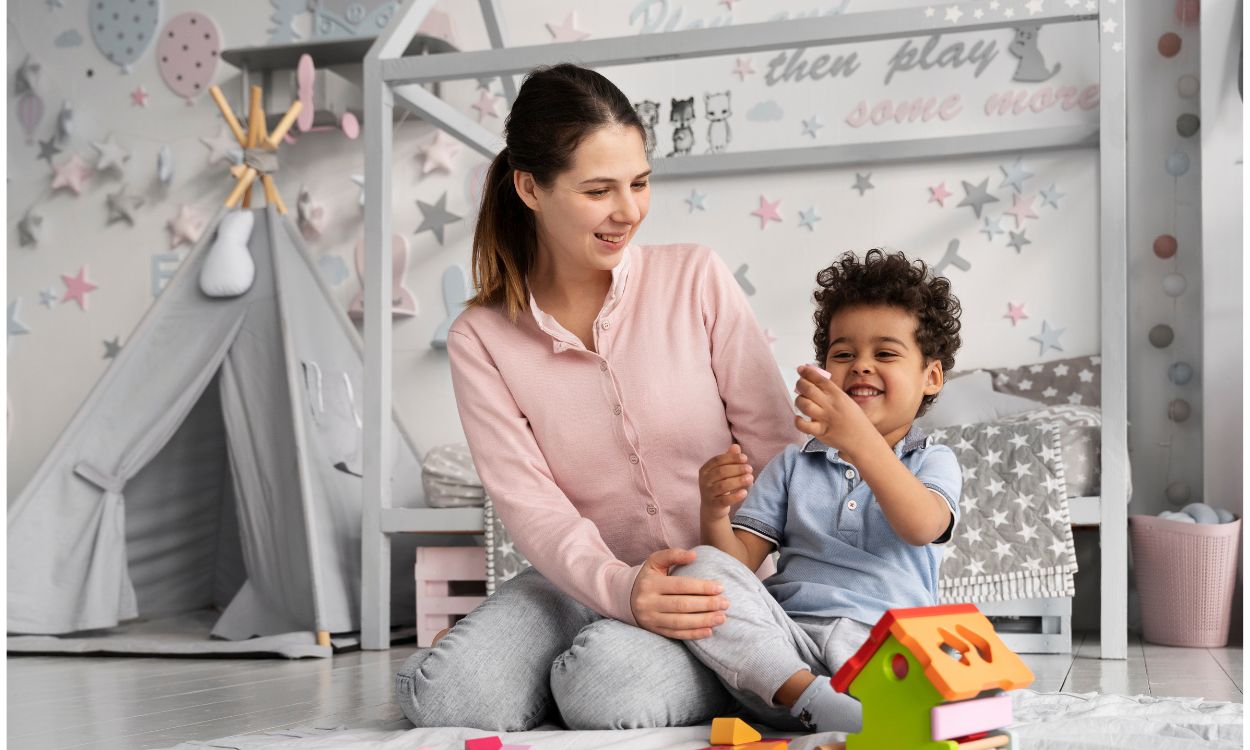
Starting daycare is a big milestone for both children and parents. Whether your child is a toddler experiencing their first structured environment or an older preschooler getting used to new faces and routines, the transition can feel overwhelming. From separation anxiety to unfamiliar schedules, it’s normal for children to experience mixed emotions. Parents, too, may feel uncertain, guilty, or anxious about leaving their little one in someone else’s care. The good news is that with the right approach, you can make this transition smooth, positive, and stress-free. Children adapt beautifully when they feel supported, safe, and prepared. This guide shares practical, real-life strategies to help you ease your child into daycare confidently and calmly. Why Daycare Transition Feels Challenging Understanding why the transition is difficult helps you respond with empathy and patience. Children often struggle because: They fear separation from parents They feel unsure in a new environment They don’t know the routine yet They are meeting new adults and children They lose the full attention they get at home Remember, their reactions crying, clinging, or refusing are normal. These are signs of adjustment, not signs of something being wrong. 1. Prepare Your Child in Advance A smooth transition begins before the first day. Start preparing your child gradually so nothing feels sudden. Talk About Daycare Often Use simple, positive sentences like: “You’ll play with new toys and friends.” “Your teacher will take good care of you.” Talking frequently helps children feel familiar with the concept, reducing fear. Read Books About Daycare Stories help children visualise what will happen. Choose books with friendly characters going to school or daycare. Visit the Daycare Together Let your child: Meet the teacher Explore the classroom Spend a few minutes playing This makes the environment feel safe even before the first official day. 2. Start with Shorter Hours On the first few days, keep the stay short—maybe 1–2 hours. Day 1: Stay for 1 hour Day 2: Stay for 2–3 hours Day 3: Add snack time or playtime Day 4–5: Move to half day Next Week: Introduce full schedule This gentle rhythm reduces emotional overload and helps your child build trust in the environment. 3. Establish a Predictable Morning Routine Children feel safe when they know what to expect. Set a simple morning ritual like: Wake up Brush teeth Breakfast Get dressed Leave for daycare Consistency builds confidence. Make mornings calm—avoid rushing, scolding, or last-minute chaos. 4. Bring Something Comforting From Home A familiar item eases anxiety. You can pack: A soft toy A blanket A small family photo Their favourite snack (if allowed) These items act like emotional anchors, helping children feel connected to home. 5. Keep Your Goodbyes Short and Positive This is one of the most important parts of daycare transition. Do: Smile Give a quick hug Say “I’ll come back after lunch” (or any clear time) Leave confidently Avoid: Staying too long Showing sadness or crying Sneaking away Children read your emotions. If you look confident, they feel safe. Sneaking away may seem easier, but it breaks trust and increases separation anxiety next time. 6. Stay Calm and Confident Yourself Children sense your energy instantly. If you feel anxious or guilty, your child will pick up on it. It’s okay to feel emotional, but try to remain calm at drop-off. Remind yourself: Your child is learning to be independent Social interactions help their development They are building confidence and resilience A positive mindset from you is one of the strongest tools for a smooth transition. 7. Build a Bond with the Caregivers Kids adjust faster when they feel safe with their caregivers. Make time to: Introduce yourself warmly Share details about your child (fears, routines, allergies) Ask about your child’s first few days Communicate any concerns calmly When you build trust with teachers, your child will naturally feel more comfortable. 8. Acknowledge Your Child’s Feelings Transitions come with big emotions. Instead of dismissing them, validate them. Say things like: “It’s okay to feel sad. I know you miss me.” “You are safe here, and I’ll come back soon.” When kids feel heard, they calm down faster. 9. Create a Consistent Pick-Up Routine Pick your child up at the same time during the first few weeks. Predictability helps them trust that you’ll always return. When you arrive: Greet them with a big smile Ask about their day Appreciate their small achievements Positive reinforcement builds excitement for the next day. 10. Avoid Making Sudden Changes Try not to switch daycares, change timings, or alter routines too quickly during the first month. Stability helps children build confidence and settle better. 11. Encourage Social Skills at Home Being comfortable with other children helps your child enjoy daycare. Encourage: Playdates Sharing toys Taking turns Outdoor group activities Children who are used to interacting with peers find the daycare environment more fun and familiar. 12. Be Patient—Every Child Adjusts Differently Some kids adapt in a few days. Others may take weeks. Both are completely normal. The key is not to force the process. If your child cries at drop-off but settles down after a few minutes, that’s a healthy adjustment pattern. If struggles continue for more than a month, talk to the teacher. Sometimes, a small tweak—like introducing a buddy system or adjusting timings can make a huge difference. 13. Signs Your Child Is Adjusting Well You’ll know your child is settling when they start: Eating snacks at daycare Sleeping better at night Talking about teachers or friends Showing excitement about certain activities Crying less during drop-off These positive signs show that the bond is forming. Final Thoughts Transitioning your child to daycare can feel emotional, but it’s also a beautiful step toward independence and growth. With patience, consistency, and reassurance, your child will learn to enjoy their new environment, make friends, and embrace the routine confidently. Remember, you don’t have to aim for a perfect transition—just a gentle, supportive one. Every small effort you make helps your child feel loved, secure, and ready to
Helping Your Child Make Friends in Preschool and Daycare
Starting preschool or daycare is an exciting milestone for young children, but it can also come with new challenges—one of the biggest being making friends. For many kids, this is the first time they step into a social environment outside their home, filled with unfamiliar faces, routines, and expectations. As a parent, it’s natural to wonder whether your child will make friends easily, communicate confidently, and feel comfortable in a group setting. The good news is that friendship-building is a skill, just like walking or reading. With the right guidance, encouragement, and environment, children learn how to connect, share, cooperate, and develop strong social bonds. This blog explores practical, simple ways you can support your child in forming meaningful friendships in preschool and daycare. Why Friendships Matter in Early Childhood Friendships during the respchool years play a major role in shaping a child’s emotional, social, and cognitive development. When kids make friends, they learn important life skills such as: Sharing and cooperation – understanding how to take turns and work together • Empathy – recognising how others feel and responding with kindness • Communication – expressing their thoughts clearly and confidently • Confidence-building – feeling secure and valued in a group • Problem-solving – resolving small disagreements or misunderstandings These early friendships help children feel safer, happier, and more comfortable in their learning environment. They also create a sense of belonging, which supports better focus and overall well-being. Understand Your Child’s Social Style Every child has a unique personality. Some are naturally outgoing and talkative, while others prefer observing before joining in. Understanding your child’s temperament helps you support them better. The Outgoing Child These children jump into activities quickly, approach others with ease, and may make friends fast. They usually need guidance on sharing, taking turns, and listening. The Shy or Reserved Child Shy children take longer to warm up. They might prefer one-on-one interactions or smaller groups. They thrive when gently encouraged and given time. The Sensitive Child These kids feel emotions deeply and may get easily overwhelmed. They benefit from predictable routines, emotional reassurance, and calm social environments. The Independent Child They enjoy playing alone and may not seek out friendships immediately. With time and the right activities, they learn to enjoy collaborative play. Recognising your child’s style helps you guide them without pressure, ensuring their social growth feels natural and comfortable. How Parents Can Help Their Child Make Friends 1. Encourage Playdates Before Preschool Starts If possible, arrange short meetups with children of the same age—neighbors, cousins, or family friends. These small interactions help your child practice sharing, communicating, and playing cooperatively. Short 30–45 minute playdates work best for toddlers and preschoolers. 2. Teach Basic Social Skills Through Everyday Moments Social skills don’t need formal lessons. Use daily conversations to teach simple habits: “Say hello when someone greets you.” “Ask if you can join the game.” “Let’s practice sharing your toys.” “Use kind words when you talk to friends.” Role-playing also works wonderfully. Pretend to be another child and let your child practise saying things like, “Can I play with you?” or “Let’s build together.” 3. Model Friendly Behaviour Children copy what they see. Whenever you interact with neighbors, shopkeepers, or relatives, show warm, positive communication. Smile, greet politely, and use gentle words—your child will naturally mirror this behaviour in daycare. 4. Talk Positively About School and Friends Create excitement around daycare by talking about the fun activities, toys, and new friends they will meet. When children feel confident and safe, they open up socially. Avoid statements like, “Don’t be shy,” which may make them anxious. Instead say, “Take your time, and you’ll make friends soon.” 5. Practice Sharing and Turn-Taking at Home Most early friendships form through shared play. Practising at home reduces conflicts at school. Simple games like passing the ball, turn-taking board games, or sharing snacks help reinforce these skills in a fun way. 6. Register Your Child for Group Activities Activities like art classes, dance, storytelling groups, or sports introduce your child to cooperative play in a comfortable setting. These experiences build confidence and help children interact naturally with peers. 7. Communicate with Teachers Regularly Teachers observe your child’s social behaviour closely. They can tell you whether your child prefers independent play, feels shy, or interacts easily. Share information about your child’s personality so teachers can support them better. If your child struggles, teachers can gently pair them with kids who have similar temperaments or interests. How Daycare and Preschool Support Social Growth Daycare centers play a major role in helping children make friends. They create environments where kids feel secure, welcomed, and engaged. Typical ways they encourage friendships include: Structured Group Activities Circle time, music sessions, and storytelling encourage children to participate together and connect. Free Play Sessions Kids choose what they want to play, allowing natural friendships to form based on shared interests—building blocks, kitchen sets, puzzles, or crafts. Small Group Learning Teachers divide kids into small groups, making it easier for quieter children to interact. Role-Play and Pretend Play Pretend play encourages cooperation, imagination, and communication—essential elements of bonding. Conflict Resolution Support Teachers guide children through disagreements, helping them learn how to express feelings and resolve small conflicts respectfully. How to Help a Child Who Finds It Hard to Make Friends Some kids take longer to settle socially, and that’s perfectly normal. Here are ways to gently support them: Acknowledge Their Feelings Say things like, “It’s okay to feel nervous,” or “Making friends takes time.” This builds emotional security. Don’t Force Social Interaction Pushing too hard can overwhelm children. Instead, encourage gradual steps—smiling, waving, or sitting near peers during play. Celebrate Small Wins If your child said hello, played beside someone, or shared a toy—praise them. Small encouragement builds confidence. Find Activities They Enjoy Kids connect faster when they engage in activities they love—drawing, music, puzzles, or outdoor games. Talk About Their Day Ask open-ended questions like: “Who did you play with today?” “What games did you enjoy?”
Daycare Meal Ideas: Healthy and Nutritious Snacks for Kids
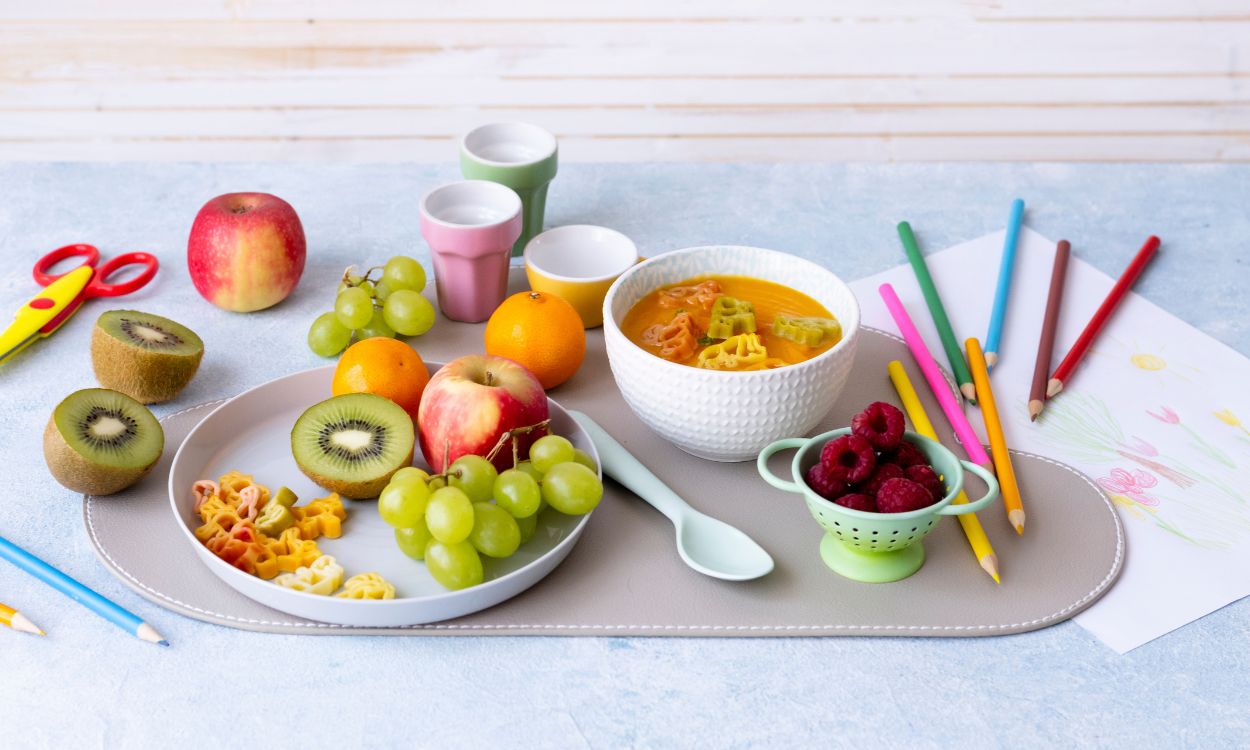
Feeding kids is not always simple especially when you’re responsible for giving them the right balance of nutrition, taste, and variety every single day. Daycare centers, in particular, have the challenge of preparing meals that are wholesome, safe, and appealing to children with different tastes and dietary needs. From picky eaters to kids with allergies, providing healthy and nutritious snacks becomes a responsibility that requires creativity and planning. If you’re a daycare provider or a parent looking to pack snacks for your child, this blog will give you plenty of practical ideas and simple nutrition tips to help you create healthy, tasty, and kid-friendly daycare meals. These ideas are easy to prepare, affordable, and loved by toddlers and young children. Why Healthy Snacks Matter in Daycare Snacks do more than just fill small stomachs. They help children focus, stay energetic, and learn better throughout the day. When a child eats nutritious food every few hours, it supports their: Brain development Growth and immunity Stable mood and behavior Strong bones and muscles In daycare environments, snacks often act as mini-meals. This is why they should include a mix of protein, healthy fats, fiber, and vitamins. Balanced snacks also prevent sugar spikes and crashes, which means fewer tantrums and better concentration during activities. 1. Fresh Fruit Snacks: Nature’s Perfect Treat Fresh fruits are naturally sweet, hydrating, and easy to serve. They’re also rich in fiber, vitamins, and antioxidants. Simple Daycare-Friendly Fruit Ideas Banana slices (easy to chew and non-messy) Apple slices with a squeeze of lemon to prevent browning Grapes, halved to avoid choking Watermelon or muskmelon cubes Seasonal fruits like strawberries, oranges, papaya, mango, or pears Creative Fruit Combos Fruit skewers (use kid-safe sticks) Mini fruit salads Fruit and yogurt cups These options keep kids excited while ensuring they get essential nutrients. 2. Veggie Snacks That Kids Actually Enjoy Vegetables are often the hardest to get kids to eat, but with a bit of creativity, they can become daycare favorites. Kid-Friendly Veggie Ideas Cucumber wheels Carrot sticks Cherry tomatoes (for older kids) Steamed broccoli florets Peas and sweet corn cups Veggie Dips Pairing veggies with dips can make a huge difference: Hung curd dip Hummus Mild cheese dip Peanut butter (if daycare allows nuts) Veggie sticks with dips offer textures kids love—crunchy + creamy. 3. Protein-Packed Snacks for Growing Kids Protein helps children stay full longer and supports muscle development. Adding even a small portion of protein to snacks boosts energy levels. Protein-Rich Options Boiled eggs (sliced or mashed for toddlers) Cheese cubes or cheese slices Yogurt (unsweetened or lightly sweetened with fruit puree) Paneer cubes lightly seasoned Mini chickpea salad Lentil patties or dal chilla pieces Sprouted moong salad (mildly spiced) These snacks are nutritious and easy for daycare centers to prepare in batches. 4. Whole-Grain Snack Ideas for Lasting Energy Whole grains provide sustained energy, fiber, and essential nutrients. They prevent hunger between meals and help regulate digestion. Easy Whole-Grain Ideas Mini whole-wheat sandwiches Whole-grain crackers Oats and banana pancakes Homemade granola bars (avoid nuts if needed) Poha (lightly cooked with veggies) Vegetable upma Whole-wheat muffins Combination Ideas Pair whole grains with fruits or proteins for balanced snacks: Whole-wheat toast + peanut butter Oats porridge + fruit Vegetable poha + yogurt These mini-meals keep children energized through playtime and learning. 5. Dairy Snacks for Strong Bones and Teeth Dairy provides calcium, protein, and healthy fats—important for bone development. Popular Dairy Options Yogurt cups Cheese sticks Smoothies made with milk + fruit Paneer bites (roasted or steamed) Healthy Alternatives For kids with lactose intolerance or allergies: Coconut yogurt Almond milk (if nuts allowed) Soy milk Daycares can easily accommodate different needs with safe alternatives. 6. Quick Homemade Snacks Kids Love Homemade snacks are healthier than packaged foods and can be prepared in advance. Snack Ideas You Can Prep at Home Idli bites (mini idlis with mild seasoning) Stuffed paratha strips (potato, paneer, or mixed veggies) Vegetable cutlets baked instead of fried Mini pasta salad with veggies Rice cakes with yogurt or fruit These snacks are filling, flavor-packed, and easy for small hands to hold. 7. Beverages: Keep Kids Hydrated the Healthy Way Water should always be the first choice for hydration. Healthy Drink Options Water Coconut water Fresh lemonade (without excess sugar) Milk Avoid packaged juices, soft drinks, and sugary flavored milk. Tips for Creating Balanced Daycare Meals Keep Portions Small Children have small stomachs, so give light portions that they can finish comfortably. Focus on Colorful Plates A colorful snack plate naturally attracts kids and often encourages them to try new foods. Keep Food Allergy-Safe Common allergens include nuts, dairy, eggs, and gluten. Always have a notes section for each child’s allergy restrictions. Avoid Processed Foods Chips, cookies, pastries, and packaged juices are tempting but not ideal for daily consumption. Keep Meals Soft and Easy to Chew For toddlers, avoid hard foods that can cause choking. Introduce Variety Rotate snacks throughout the week so kids don’t get bored. Sample 5-Day Daycare Snack Plan Day 1 Fruit: Banana slices Snack: Whole-wheat vegetable upma Drink: Water Day 2 Fruit: Apple + pear mix Snack: Yogurt + granola Drink: Milk Day 3 Fruit: Papaya cubes Snack: Paneer bites + cucumber sticks Drink: Water Day 4 Fruit: Grapes (halved) Snack: Poha with veggies Drink: Coconut water Day 5 Fruit: Watermelon Snack: Mini idlis + carrot sticks Drink: Water This sample plan is balanced, colorful, and easy for any daycare provider to follow. Final Thoughts Healthy and nutritious daycare snacks don’t have to be complicated. With a little planning and creativity, you can offer children meals that are satisfying, colorful, and packed with essential nutrients. The goal is to introduce kids to a variety of flavors and food groups so they develop healthy eating habits early on. Whether you’re a daycare professional or a parent preparing lunchboxes, these ideas will help you create meals that kids look forward to every day. Nutritious food not only fuels their growth but also supports happier moods,