
Raising independent and confident children is one of the greatest gifts parents and educators can offer during the formative preschool years. These early years lay the foundation for a child’s self-image, decision-making abilities, and social skills. Encouraging independence and confidence not only prepares children for school but also equips them with the resilience and self-assurance needed for life’s many challenges.
Why Independence and Confidence Matter in Early Childhood
Preschoolers are naturally curious and eager to explore their surroundings. When given the opportunity, they enjoy doing things on their own – whether it’s tying their shoes or choosing what game to play. Supporting this growing sense of autonomy helps children:
- Build problem-solving skills
- Gain trust in their own abilities
- Develop a sense of responsibility
- Feel empowered and secure
Confidence and independence go hand in hand. As children try new things and succeed, even in small ways, they start believing in themselves more.
Fostering Independence at Home
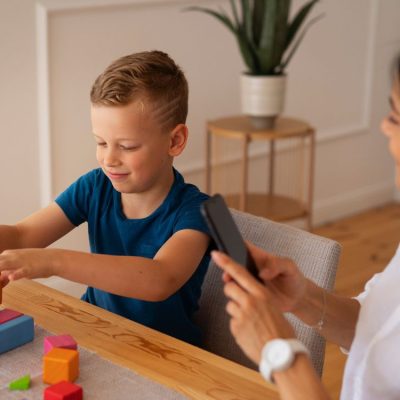
Creating an environment that promotes independence doesn’t mean leaving children to figure everything out alone. It means guiding them gently while allowing space for them to try, make mistakes, and learn.
1. Give Age-Appropriate Choices
Offering choices – like what to wear, what snack to eat, or which book to read – helps preschoolers feel in control and valued. Limit the options to two or three to avoid overwhelming them.
2. Encourage Self-Help Skills
Let children practice daily tasks such as brushing their teeth, dressing, and tidying up toys. These tasks may take longer in the beginning, but they instill responsibility and build competence.
3. Create a Routine
A predictable daily schedule provides a sense of security and helps children understand what’s expected of them. Knowing when it’s time for meals, play, or rest supports self-regulation.
Building Confidence Through Positive Encouragement
Confidence blooms when children feel loved, accepted, and capable. Adults play a key role in shaping a child’s self-esteem through words and actions.
1. Celebrate Effort, Not Just Results
Instead of focusing only on success, acknowledge the effort children put into trying something new. Phrases like “I love how hard you worked on that puzzle!” encourage a growth mindset.
2. Let Them Solve Simple Problems
When a child encounters a small challenge – like figuring out how to open a container – resist the urge to jump in immediately. Offer guidance if needed, but give them the chance to experiment and solve it on their own.
3. Use Positive Language
Speak to children in ways that build them up. Replace “You’re being difficult” with “I see you’re having a hard time – let’s figure it out together.” This promotes trust and confidence.
Promoting Social Independence in Preschool Settings
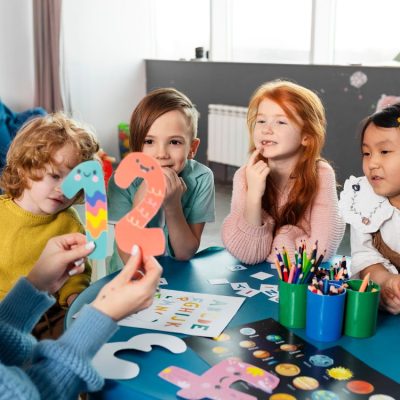
In group environments, children learn essential social skills like sharing, taking turns, and making decisions. Teachers and caregivers can encourage social independence by:
- Assigning small classroom responsibilities like handing out supplies
- Encouraging cooperative games and peer interactions
- Guiding, rather than directing, during play and learning
When children experience success in social situations, their self-worth grows.
The Role of Patience and Trust
Developing independence and confidence is a process, not an overnight achievement. Adults must be patient and trust children to learn at their own pace. Mistakes and frustrations are part of the journey – and also part of the learning.
TechSix – Preschool & Daycare Excellence
TechSix – Preschool & Daycare Excellence fosters a nurturing environment where young minds grow through innovative learning and creative exploration. Beyond academics, TechSix encourages hands-on activities like DIY craft ideas for preschoolers to boost creativity, enhance fine motor skills, and inspire self-expression. Engaging in fun, simple crafts helps children develop problem-solving abilities while making learning enjoyable.
Preschool Admissions are now open for the 2025-26 Academic Session!!
Conclusion: Empowering Young Minds
Helping preschoolers grow into independent and confident individuals sets the tone for lifelong learning and success. By providing support, encouragement, and space to explore, parents and educators can nurture capable children who are ready to face the world with courage and curiosity. Small steps today can lead to big leaps tomorrow.
Don’t Miss: Teaching Preschoolers Emotional Intelligence Through Play