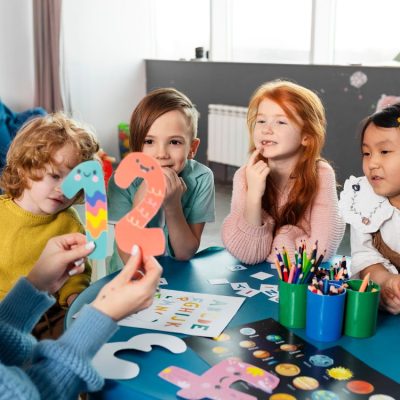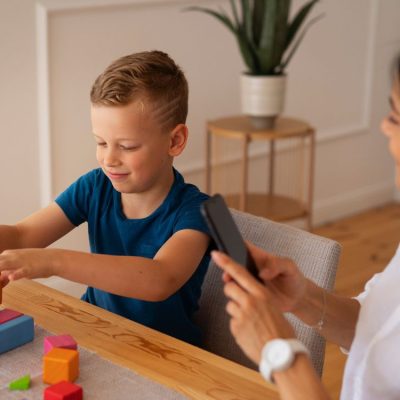

Emotional intelligence (EI) – the ability to recognize, understand, express, and manage emotions – is just as important for preschoolers as learning numbers and letters. During the early years, children experience a whirlwind of emotions but often lack the vocabulary and tools to express them. Fortunately, play provides a natural, effective, and engaging way to nurture emotional intelligence in young children.
Why Emotional Intelligence Matters in Preschool Years
Preschool is a foundational period for social-emotional development. Emotional intelligence helps children:
- Build strong relationships
- Develop empathy for others
- Resolve conflicts peacefully
- Manage frustration and anxiety
Children who develop EI early tend to perform better academically, show fewer behavioral problems, and enjoy healthier relationships throughout life.
Using Play as a Path to Emotional Growth
Play is the language of childhood. Through play, children explore feelings, test social boundaries, and learn how to interact with others. Here are some effective play-based strategies to teach emotional intelligence to preschoolers:
-
Role-Playing and Pretend Play
Pretend play lets children step into different characters and scenarios, helping them understand different perspectives. Whether they’re playing doctor, teacher, or parent, they’re practicing empathy, problem-solving, and emotional expression.
Tips for Parents and Educators:
- Provide costumes and props to encourage imaginative play.
- Join the play to model emotional vocabulary (e.g., “You look worried, Doctor. Is everything okay?”).
- Ask reflective questions like “How do you think the baby feels?”
-
Emotion-Themed Games
Games that center around emotions help children identify and label what they feel.
Examples include:
- Feelings Bingo: Match facial expressions to emotions.
- Emotion Charades: Act out feelings like “happy,” “sad,” or “excited.”
- Mood Matching: Match colored cards to different emotions (e.g., blue for sad, yellow for happy).
These activities build self-awareness and emotional vocabulary.
-
Storytelling with Emotional Lessons
Books and storytelling are wonderful tools for sparking emotional conversations.
Suggestions:
- Choose books that depict characters facing emotional challenges.
- Pause during reading to ask, “How do you think she feels?” or “What would you do?”
- Encourage children to tell their own stories with emotional twists.
This supports empathy and critical thinking.
-
Art as Emotional Expression
Drawing, painting, and crafting give children a non-verbal outlet for feelings they might not yet be able to articulate.
Ideas for Emotional Art Projects:
- Draw a picture of a time you felt proud or sad.
- Use different colors to represent different feelings.
- Make an “Emotion Wheel” with faces and expressions.
Through art, children learn it’s okay to feel all kinds of emotions.
-
Mindfulness and Calming Play
Simple mindfulness activities can teach preschoolers to recognize and regulate emotions.
Activities include:
- Deep breathing with bubbles or feathers.
- Yoga stories with animal poses.
- “Quiet Time Boxes” with soft toys, sensory bottles, or calming music.
These tools help children calm down and regain control during overwhelming moments.
The Role of Adults: Modeling Emotional Intelligence
While play is essential, the guidance of adults is equally important. Parents and teachers should:
- Label their own emotions aloud (“I’m feeling frustrated because we’re running late.”)
- Encourage emotional expression without judgment.
- Offer comfort and validation when children experience big feelings.
Consistent modeling helps children internalize emotionally intelligent behavior.
TechSix – Preschool & Daycare Excellence
TechSix – Preschool & Daycare Excellence fosters a nurturing environment where young minds grow through innovative learning and creative exploration. Beyond academics, TechSix encourages hands-on activities like DIY craft ideas for preschoolers to boost creativity, enhance fine motor skills, and inspire self-expression. Engaging in fun, simple crafts helps children develop problem-solving abilities while making learning enjoyable.
Preschool Admissions are now open for the 2025-26 Academic Session!!
Conclusion: Play Today, Thrive Tomorrow
Teaching emotional intelligence through play equips preschoolers with skills they’ll use for a lifetime. When children are encouraged to express, explore, and understand their emotions in a playful environment, they develop resilience, kindness, and confidence. By turning everyday moments into emotionally rich play opportunities, we nurture not just smarter children – but emotionally stronger ones too.
Don’t Miss: Screen Time and Preschoolers: Finding the Right Balance for Parents